


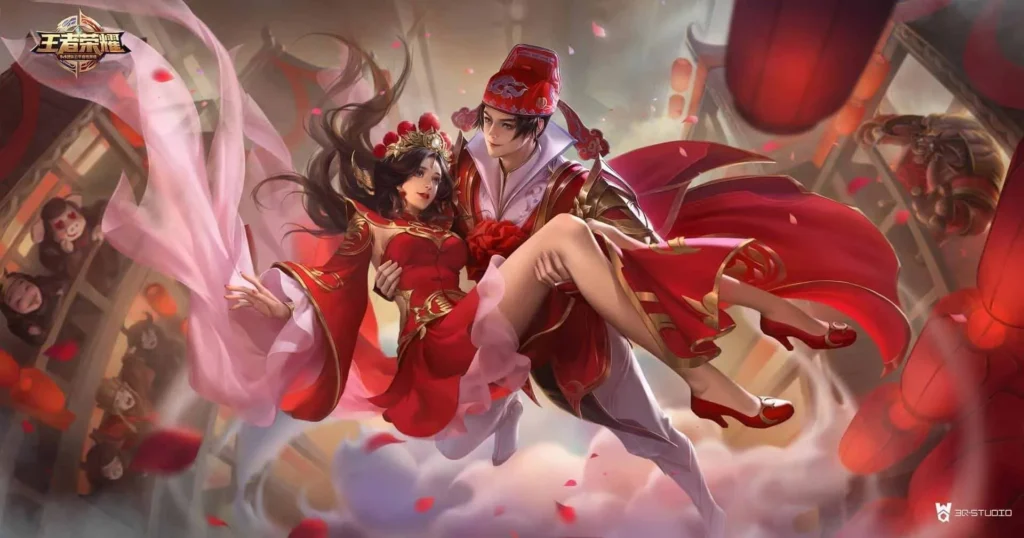
You’ll jump into fast-paced 5v5 battles where strategy, timing, and hero choice matter as much as reflexes. Honor of Kings delivers polished graphics, diverse heroes, and competitive gameplay that make it a must-try mobile MOBA for anyone serious about improving their skills and enjoying deep matches.
This article will guide you from what the game is and which heroes give you an early advantage, to practical tips for mobile play, optimal builds, and how the ranking and competitive scene works. You’ll also find the latest meta shifts, event highlights, and community resources to help you climb and stay current.
What Is Honor of Kings?
Honor of Kings is a fast-paced 5v5 mobile MOBA that pairs short matches with a large hero roster, ranked play, and frequent events. You’ll find team objectives, lane control, and hero synergies at the core of its design.
Brief History and Global Popularity
Launched by Tencent’s TiMi Studio, Honor of Kings debuted in China and quickly grew into one of the world’s highest‑earning mobile games. It accumulated hundreds of millions of registered users and routinely reports very large daily active player counts, driven by regular updates and localized events.
Tencent released international versions and related spin-offs to reach players outside China, and the game’s esports scene developed with regional leagues and sizable prize pools. Collaborations and themed events — including crossovers with major IPs — helped sustain attention and attract casual and competitive audiences alike.
Core Gameplay Mechanics
You play as a single hero in 5v5 matches that typically last 15–20 minutes, focusing on destroying the enemy base while defending your own. Each hero has unique skills, a basic attack, and scaling power through gold and experience earned from minions, kills, and objectives.
Matches emphasize lane control, jungling, and coordinated team fights around neutral objectives like powerful buffs or map monsters. The client requires a Tencent account or linked platform account to play; matchmaking tries to balance skill levels, and ranked modes track your progress with tiers and seasonal resets.
Differences from Other Mobile MOBAs
Compared with many mobile MOBAs, Honor of Kings emphasizes shorter match times and highly polished touch controls optimized for quick input and responsiveness. Its hero designs often draw from Chinese mythology and history, giving the roster a distinct cultural flavor you’ll notice in art and skill themes.
The game integrates frequent limited-time events, cosmetics, and collaborations that change the in‑game economy and social features. While core mechanics—lanes, towers, and jungles—remain familiar, its pacing, user interface, and hero balance philosophy create a gameplay rhythm that differs from Western or other regional MOBAs.
Best Heroes to Try in Honor of Kings
These picks focus on clear roles you can learn quickly: high burst or sustained damage, reliable frontline control, easy-to-play support tools, and jungle heroes that snowball games when played well. Each hero list highlights strengths, play tips, and why they matter for climbing.
Top Damage Dealers
Choose heroes who win fights quickly and pressure lanes early. Lam and Loong excel at sustained basic-attack DPS; they shred objectives and duel well when you itemize for attack speed and crit. Use kiting and target-priority—push towers after winning a trade.
Assassins like Augran and other high-burst champs punish squishy backlines. Master their combo windows and vision control so you can flank safely. Burst dealers need cooldown management and timing; avoid blind dives without backup.
Mages control fights with area spells and poke. Pick ones with reliable waveclear and a single strong initiation spell if your team lacks engage. Itemize for magic penetration and cooldown reduction to keep pressure constant.
Recommended Tanks
Pick tanks who initiate and soak damage without needing perfect mechanics. Look for heroes with two reliable crowd-control tools and one sustain or shield to stay in front of your carries. You should lead engages, peel for your marksman, and secure objectives with your presence.
Prioritize upgrades that increase health and tenacity early, then build team-utility items like aura shields or slow immunity. Communicate when you’ll start a fight so your DPS can follow immediately. Tanks who can contest neutral objectives and force disengages change the pace of games.
When playing tank, position between enemy threats and your carries. Use cooldown windows to make aggressive plays, then rotate to defend towers or assist sidelanes. Simple, decisive calls matter more than perfect skill combos.
Support Heroes for Beginners
Pick supports with straightforward healing, shields, or targeted stuns that don’t require complex combos. These heroes let you focus on map awareness and warding while still making plays. Prioritize item builds that increase cooldown and mana regen to stay effective through long fights.
Learn to time heals or crowd control during burst phases; saving a single ability can turn a fight. Use peel over chase when your team lacks mobility—protect your marksman first. Roam only when lanes are pushed or your ADC has lane control.
Practice pull-starting fights near vision points. Good supports track enemy cooldowns and use simple combos to lock down priority targets for your carries to finish.
High-Impact Junglers
Junglers who clear quickly and gank reliably control tempo. Choose heroes with early mobility and single-target lockdown if you want to influence lanes fast. Secure early buffs and use vision to create safe gank paths.
Focus on objective timing: take dragon and buffs when lanes are pushed or after winning a skirmish. Snowball-style junglers require aggressive pathing and pressure; play conservatively if you fall behind, counter-jungling only with vision and backup.
Balance your build between damage and sustain depending on match flow. Communicate gank intentions and cooldowns so laners can prepare to follow or bait—successful jungling hinges on cooperation more than mechanical perfection.
Essential Tips for Mobile Gamers
Focus on precise control settings, pick heroes that complement your team’s win condition, and prioritize objective-focused farming and buff timings to keep gold and experience flowing.
Mastering Controls and Settings
Customize your control layout to reduce finger travel. Move critical buttons (recall, shop, consumables) within easy thumb reach and enable joystick sensitivity that lets you kite without overshooting. Turn on simplified targeting if you struggle with skill direction, but practice manual targeting for clutch plays.
Adjust camera options: use dynamic camera when rotating across map but lock it during lane farming to keep last-hitting consistent. Set auto-buy or quick-buy builds for your main hero to avoid wasted time in base. Finally, tweak graphics to maintain stable FPS—lower effects if you see frame drops during teamfights.
Team Composition Strategies
Coordinate roles before the match starts. Aim for a balanced lineup: one tank to initiate, one jungler for objective control, a marksman or mage for sustained damage, and a support to enable fights. If you pick an assassin, pair with crowd-control teammates to secure kills.
Draft around power spikes and crowd-control synergy. Prioritize heroes that scale well with your team’s items, and avoid overlapping damage profiles. Use the pick/ban phase to counter key enemy carries. Communicate intended lane matchups to prevent early pressure and ensure smooth jungle pathing.
Efficient Resource Management
Time neutral monster spawns and buffs; prioritize contesting the high-value buff (e.g., blue/red equivalent) when your jungler has level advantage. Share lane farm—rotate to secure waves only when safe, otherwise let your carry maintain CS. Use the shop and quick-buy to finish core items at key power spikes rather than chasing situational luxuries.
Track enemy gold by noting deaths and turret losses; if an opponent is ahead, focus on objective play (towers, jungle camps) instead of risky 1v1s. Conserve consumables for teamfights and buy vision items when contesting objectives.
Optimal Hero Builds and Equipment
Choose hero items that match your role, amplify core skills, and counter enemy strengths. Prioritize one damage source (physical or magic), include sustain or defense when needed, and slot mobility or cooldown reduction early for high-impact champions.
Recommended Builds by Role
- Marksman: Focus on attack speed, critical, and physical penetration. Start with a lifesteal or attack-speed jungle item if you play aggressively. Core items: two attack-speed/crit items, one penetration item, and a defensive lifesteal or QSS-style item against heavy disables.
- Mage: Max magic power and cooldown reduction early. Begin with a mana or ability-power starter and rush one major burst item. Core items: one high-burst AP item, one penetration/pen item, and a survivability item (magic shield or HP) for late fights.
- Assassin: Build lethality and burst. Prioritize flat penetration and mobility. Core items: two penetration items, one damage amplifier (crit or AP depending on hero), plus a mobility or invisibility item when available.
- Fighter/Tank: Balance offense and defense. Fighters need one damage item, two sustain/defense items, and a lifesteal or regen item. Tanks prioritize HP, resistances, and aura/taunt items that boost team survivability.
- Support: Buy team utility and vision items first, then resistances. Core items: aura/shield items, cooldown reduction, and one situational item (anti-heal or tenacity) based on enemy composition.
Best Item Combinations
Use combinations that create synergy between stats and passive effects. Pair items that convert basic attack stats into true damage or percent-HP damage for late-game scaling.
- Recommended combos:
- Attack-speed + crit + armor-penetration for sustained DPS marksmen.
- Burst AP + magic penetration + CDR for mages who rely on combo windows.
- Lethality + mobility + execute effect for snowballing assassins.
- HP + armor + team-aura for frontliners who must survive extended skirmishes.
- Situational swap examples:
- Replace a damage item with anti-heal against heavy lifesteal teams.
- Take full magic defense instead of one damage item when facing two enemy mages.
- Build order matters: always complete your first core item before investing in luxuries. That spike defines your roaming and teamfight timing.
Adapting Builds to Opponents
Scan enemy items and adjust fast. If the enemy comp stacks one damage type, shift resistances accordingly.
- Early game counters:
- Buy armor early versus fast physical burst champions.
- Grab magic resist when facing roaming mages with high poke.
- Mid/late adjustments:
- Swap a damage slot for anti-heal if the enemy has heavy sustain.
- Prioritize penetration when tanks stack defenses; aim for percent-HP or shred items.
- Playstyle-based tweaks:
- If you’re behind, choose safer, utility-focused items to help teamfights.
- When ahead, finish damage cores to snowball objectives and split-push.
- Communicate item plans with your team to avoid duplicate actives and optimize aura overlaps.
Ranking System and Competitive Play
The ranking system measures your skill, match consistency, and contributions to team objectives. Climbing ranks requires smart hero choices, consistent mechanics, and strong map awareness.
Understanding the Ranking Tiers
Honor of Kings uses multiple tiers from lowest to highest, each often split into divisions. Expect tiers like Bronze, Silver, Gold, Platinum, Diamond, Epic, and Mythic, with Warzone or a top-100 leaderboard reserved for the absolute best players.
Each win grants rating points; losses subtract them. Promotion requires reaching the division threshold and sometimes winning a series match.
Rank determines matchmaking quality and player expectations. Lower tiers often feature players still learning roles and itemization. Mid tiers require solid lane control and objective focus. High tiers demand coordinated rotations, vision control, and hero counter-picks.
Season resets and soft resets affect your starting point; performance in placement matches sets your initial tier each season. Ranked rewards — skins, icons, and points — often scale with peak rank.
Tips to Climb the Ranks
Specialize in 2–3 heroes and master their power spikes, item builds, and matchups. Consistency beats variety when improving rank.
Communicate concise, actionable information: ping missing enemies, call objectives, and ask for help when overextended.
Prioritize objectives over kills. Secure towers, dragons, and buffs to translate individual advantage into map control. Track enemy cooldowns and use vision to force favorable fights.
Adjust builds situationally: buy anti-heal, magic resist, or defense when the enemy comp demands it. Review replays of decisive games to spot recurring errors and refine decision-making.
Queue with a reliable teammate for roles synergy. Solo queue is fine, but coordinated play vastly increases win rate in higher tiers.
Key Mistakes to Avoid
Avoid frequent hero swapping; inconsistent champion pool slows skill growth. Don’t insist on risky solo plays without vision or backup.
Chasing kills or staying for a lost fight yields tower and objective losses that cost more rating than a single death.
Neglecting map awareness and objective timers is a common rank trap. Missing a dragon or tower trade-off often shifts momentum against you.
Overbuilding for damage against burst comps or ignoring defensive stats against heavy crowd control both reduce your impact. Keep calm during losing streaks; tilt leads to repeated poor choices that compound rank loss.
Latest Updates and Meta Analysis
Patch notes have shifted damage scalings, cooldowns, and item interactions that change who dominates lanes and team fights. Expect stronger solo carry options, nerfed early-game supports, and item tweaks that favor sustain and burst in the current meta.
Recent Hero Adjustments
You’ll notice several carry heroes received damage or cooldown buffs to boost their 1v1 and split-push potential. Examples include AD assassins with shortened ultimate cooldowns and mages with increased mid-game burst, letting them finish fights before team follow-up arrives.
Support and utility heroes took nerfs aimed at reducing early roam pressure; their shield values and roaming movement speed were trimmed, making level-2 ganks less oppressive.
Tank reworks focused on ability-to-ability scaling rather than flat HP, so tanks feel tanky longer in extended fights but less oppressive in the first skirmish.
If you play a role that relies on early snowball, prioritize safer routes and controlled objectives until your power spikes.
Current Top-Tier Picks
The meta currently favors flexible heroes who can both solo and teamfight effectively. Top-tier carries include a mobile AD assassin, a high-burst mage, and a sustained DPS marksman who scales quickly with core items.
Support tier favors enchanters who pair well with marksmen over aggressive roamers due to reduced roaming power. Pick supports that provide consistent peel and healing.
Jungle and tank picks lean to junglers with clear speed and duel potential, plus tanks who contribute reliable crowd control without needing heavy items.
Use a draft priority list: secure the mobile carry first, lock a reliable peel support second, and draft waveclear/mobility for the remaining slots.
Expected Changes in Upcoming Patches
Developers are likely to continue balancing burst windows and roaming potency. Anticipate targeted nerfs to the most dominant burst mages and small nerfs to the highest win-rate marksmen.
Item adjustments will probably focus on sustain-versus-burst tradeoffs; items that currently enable one-shot combos may see cooldown increases or reduced stats. This will shift optimal builds toward mixed sustain and penetration.
Watch for support quality-of-life buffs to keep them viable: small increases to healing/shield baseline or reduced cooldowns on utility spells.
Prepare by practicing secondary heroes with different power curves and adapting builds to reduced burst or increased sustain.
Community Resources and Official Events
Find step-by-step guides for hero mechanics, locate schedules for official tournaments, and join active player groups that run scrims, charity matches, and local meetups.
Best Places to Find Guides
Look for hero-specific guides on community hubs like Dunia Games and TheHachiko, which publish meta breakdowns and build paths.
YouTube channels and streamers provide visual walkthroughs for laning, item timing, and combo execution; prioritize creators who show full matches and explain decision-making.
Use tier lists that update each patch to track shifts in hero power and role priority.
Check patch notes from official sources to see exact numbers behind balance changes before trusting third-party advice.
Save printable cheat-sheets for role-specific fundamentals (jungle timers, wave management, objective priority) to review between matches.
Official Tournaments and Esports
Honor of Kings runs both regional and national events; look for Soundsfest charity showmatches and publisher announcements for formal tournament roadmaps.
Follow Level Infinite and partner channels for official schedules, rules, and prize details to avoid misinformation.
If you plan to compete, register early for qualifier windows and verify team roster rules, match formats (best-of series), and anti-cheat requirements.
Watch past tournament VODs to study pro rotations, draft priorities, and common itemization choices in high-level play.
Attend live or streamed events to network with organizers and find local qualifiers or community-run cups.
Player Communities to Join
Join official Discord servers and Facebook groups for region-specific announcements, scrim opportunities, and coach listings.
Look for Indonesian community groups that host charity events and in-person activities; these often post scholarship or sponsorship chances.
Use subreddits and localized Telegram channels for quick patch discussions and pickup games.
Participate in community-run ladders and clan systems to get regular practice partners and ranked review sessions.
When joining, check group rules on behavior, scrim booking procedures, and how they verify player skill to ensure a productive environment.