

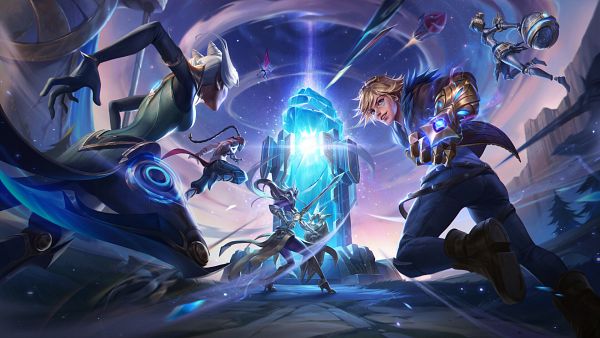
You’ll jump straight into fast, strategic 5v5 battles that reward quick thinking and teamwork, with a hero roster and mechanics designed to support both casual plays and high-level competition. Honor of Kings delivers polished, competitive mobile MOBA gameplay backed by regular updates, diverse heroes, and a thriving esports scene that keeps matches fresh and meaningful.
Expect this article to walk you through what makes the game tick—from core mechanics and standout heroes to tournament-level play, community growth, and practical tips that help you improve your match impact and climbing potential. Follow along to learn how to turn your casual matches into strategic wins and where Honor of Kings is headed next.
Overview of Honor of Kings
You’ll find a fast-paced 5v5 MOBA built for mobile devices with polished visuals, deep hero options, and clear competitive systems. The game balances short match lengths with high mechanical and strategic depth to suit both casual sessions and ranked progression.
What Is Honor of Kings
Honor of Kings is a mobile multiplayer online battle arena developed by TiMi Studio Group and published by Level Infinite/Tencent. Matches typically last 12–20 minutes, focusing on lane control, jungle objectives, and teamfights rather than drawn-out macro games.
You pick from dozens of heroes across roles (assassin, mage, marksman, tank, support, fighter). Each hero has distinct abilities and itemization paths that shape playstyle and power spikes. The progression system uses in-match gold and experience; outside matches, ranked tiers and seasonal rewards track your long-term growth.
Global Popularity and Reach
Honor of Kings launched in China in 2015 and became one of the most-played mobile titles worldwide, with massive daily active users at its peak. It also influenced the esports scene in China, spawning professional leagues and franchised teams that run structured seasons and large prize pools.
The game’s reach extends through localized versions and cross-promotions, which helped adoption in Southeast Asia and other regions. Major features supporting scale include region-specific servers, language support, and competitive matchmaking that groups players by skill to keep matches fair.
Key Features and Innovations
- Polished Mobile MOBA Design: Intuitive touch controls and short match durations optimize mobile play without sacrificing strategic depth.
- Diverse Hero Roster: Regular additions and balance patches keep the meta shifting; heroes cover distinct roles and synergies.
- Esports Integration: Ranked ladder, seasonal content, and organized pro leagues create a clear path from casual play to competition.
- Visual and Audio Presentation: High-fidelity character models, effects, and soundtrack enhance clarity during hectic fights.
- Monetization and Progression: Cosmetics and battle passes provide revenue while preserving competitive fairness through limited pay-to-win mechanics.
You can expect frequent updates, balance adjustments, and seasonal events that refresh the meta and add limited-time modes or cosmetic items.
Competitive Gameplay Mechanics
Honor of Kings centers on fast-paced 5v5 matches, precise objective control, and role-specific power curves that reward map awareness, item timing, and coordinated engages.
Core Game Modes
You’ll primarily play 5v5 classic matches on a three-lane map with jungle areas, turrets, and a main base. Each lane assigns common roles: carry (safe lane), mid (roamer/mage), offlane (tank/fighter), jungler, and support. Match pacing follows early laning, mid-game objective fights, and late-game base pushes.
Objectives matter more than kills. Tower pushes, Lord/Dragon captures, and jungle control swing momentum. Respawn timers, turret plating (early structure durability), and gold distribution through minion waves shape decisions about when to group or split.
Different modes such as ranked, casual, and limited-time events change draft rules and hero pools. Drafting phases let you secure counters; understanding bans and patch-driven meta shifts directly affects your win rate.
Strategy Elements
You need to manage economy, power spikes, and vision to outplay opponents. Prioritize item timings: finishing a core item often turns duels in your favor and forces opponents to react or avoid fights.
Map control hinges on warding and jungle presence. Place vision near major objectives and enemy jungle entrances to predict rotations. Stealing or contesting neutral objectives denies resources and creates windows for high-value tower dives.
Adapt builds to enemy composition. If facing heavy crowd control, invest in cleansing or tenacity items. Versus burst teams, opt for defensive stats early. Timing ultimate abilities around objectives and cooldown windows maximizes teamfight impact.
Team Coordination
You win more with coordinated plays than raw mechanical skill. Use pings and quick chat to call objective starts, target priority, and retreat moments. Designate shot-caller roles: one player should lead engages while others follow setup and peel assignments.
Positioning and role execution remain critical. Tanks initiate and soak crowd control; supports provide vision and shields; carries position to avoid being collapsed. Rotate after securing objectives—take an extra tower, then reset for item completions or rotate to a new lane.
Practice set plays like flank engages, bait-and-switch, and synchronized ultimate combos. Rehearsed timing (e.g., stun into AoE ultimate) wins decisive fights. Post-fight discipline—pushing only when cooldowns and resources allow—prevents costly overextensions.
Ranking and Progression
Your rank reflects match performance, win streaks, and seasonal resets. Climbing requires consistent objective control, role proficiency, and adapting to meta changes introduced by patches. Promotion systems use MMR and league tiers to place you against similar-skilled opponents.
Progression also ties to hero mastery and item familiarity. Focus on a small hero pool to learn matchup specifics and power spike windows. Seasonal rewards, badges, and leaderboard placement incentivize ranked play but don’t affect in-match balance.
Matchmaking factors include party size, recent performance, and server population. Queueing with a coordinated trio or five-stack yields more predictable communication, while solo queues test your ability to shot-call and stabilize team dynamics.
Best and Most Popular Heroes
You’ll find heroes that excel at early skirmishes, teamfight control, split-pushing, and objective securing. Pick heroes that match your role, skill level, and the team composition you expect to face.
Top Tier Heroes
Top-tier heroes combine high win rates with flexible playstyles and clear power spikes. Examples often include strong fighters like Dian Wei for sustained lane pressure, mages such as Nuwa for long-range control, and versatile assassins who can snowball from early kills. These heroes perform well across ranks because their kits scale with items and levels rather than relying solely on mechanical outplays.
Pick a top-tier hero when you want reliable impact in solo queue or ranked matches. Focus on their core strengths: wave clear, engage/disengage tools, and ultimate utility. Watch patch notes; balance changes frequently shift which heroes sit at the top.
Hero Roles and Responsibilities
Each hero fills a defined role: Tank, Fighter, Assassin, Mage, Marksman, or Support. Tanks initiate fights and soak damage; fighters split-push or duel; assassins eliminate high-priority targets; mages control space and burst; marksmen carry sustained damage from range; supports protect and enable carries.
When you choose a hero, align your playstyle to their responsibilities. If you play support, prioritize vision and peel. If you play marksman, focus on farming safely and position in teamfights. Communicate role priorities with teammates during draft to avoid overlap.
Hero Customization Options
You can customize heroes through emblem builds, spell choices, and item paths. Emblems provide stat bonuses and talent choices that modify early-game strength. Spells like Flicker or Purify change engage options or survivability. Item builds adapt to enemy composition—armour vs. physical, magic resistance vs. mages, or lifesteal for sustain.
Experiment with recommended builds in practice mode before applying them in ranked. Save two or three item and emblem presets for each hero: one for snowball games, one for balanced matches, and one for heavy-counter situations.
World-Class Esports and Tournaments
Honor of Kings runs a packed international competitive calendar, professional leagues, and high-stakes championships that shape team careers and fan expectations. You’ll find large prize pools, regional pro circuits, and global events that reward consistent performance and strategic depth.
Major Competitive Events
The game’s major events include multi-stage regional leagues and international invitational tournaments. You’ll typically see seasonal leagues in China with regular splits, plus international Invitationals that gather top regional winners for knockout formats.
Events often feature group stages, best-of series, and single-elimination playoffs. Broadcasts use multi-language streams and live production suited for 300k–500k peak viewers in major finals. Prize pools vary by event; some Invitationals and World Cup–level competitions offer multi-million dollar totals that attract franchised organizations and salaried rosters.
Professional Teams
Professional teams in Honor of Kings operate like other top esports organizations: contracted players, coaching staff, analysts, and infrastructure for bootcamps. You’ll encounter established Chinese clubs and expanding international squads from Southeast Asia and Brazil.
Teams scout talent through academy rosters and regional qualifiers. Roster stability matters—teams that keep core players and invest in tactical coaching usually perform better in long tournaments. Sponsorships and franchising deals increasingly support salaries and travel, making competitive play a sustainable career path for many pro players.
Notable Championships
Notable championships include the World Championship and regional showcase events that crown the year’s top team. You’ll see 16–18 teams at some global events, with formats that reward both group-stage consistency and playoff resilience.
Past finals have featured intense best-of-five series, meta-driven hero picks, and strategic draft battles. Winners gain not only large cash prizes but also international recognition, brand partnerships, and invitations to future high-profile tournaments.
Game Updates and Community Development
You’ll find frequent content patches, balance changes, and community programs that shape gameplay and competitive balance. These efforts aim to keep matches fair, expand hero variety, and give players clear channels to influence development.
Recent Game Updates
Tencent and TiMi Studio push regular patches that adjust hero stats, item attributes, and matchmaking parameters to maintain competitive integrity. Recent major patches introduced new heroes, graphical improvements, and time-limited modes that alter map rules or objectives, giving you fresh tactical scenarios to learn.
Seasonal events and crossovers (for example, cinematic collaborations and holiday-themed events) add skins, cosmetic bundles, and limited game modes. Hotfixes often follow large updates to address stability or exploit issues within 24–72 hours, reducing downtime and preventing meta stagnation.
Developer Support
The developers publish patch notes and roadmap previews that detail nerfs, buffs, and system changes so you can prepare for meta shifts. They run internal QA and monitor server telemetry; when analytics show a problematic trend—such as a hero win rate spike—they prioritize targeted balance adjustments.
Support also includes anti-cheat measures and server optimizations to lower latency and reduce disruptive behavior. Official forums, in-game reporting tools, and support tickets provide direct routes for bug reports and account issues, with many common problems resolved within days.
Community Engagement
You’ll see organized esports leagues, in-game spectator features, and official tournaments that create competitive pathways from casual play to pro circuits. Developers sponsor regional events and seasonal competitions, offering clear qualification rules and prize structures to motivate skilled play.
Community managers host AMAs, run polls on potential features, and collaborate with content creators to showcase strategies and highlight player feedback. Social channels and localized events give you chances to influence design priorities and join test servers for major upcoming systems.
Tips for Mastering Gameplay
Focus on clear objectives: control waves, secure objectives, and optimize gold/XP distribution. Prioritize vision, cooldown timings, and item power spikes to turn small advantages into game-winning pressure.
Advanced Tactics
Control jungle timers and wave states to force favorable fights. Track enemy ultimate cooldowns and recall windows; when you know an opponent lacks their ultimate or key item, you can create a 2–3 second window to engage or invade safely. Use minion wave manipulation—freeze near your tower to deny farm, slow-push to build a large wave before grouping, or fast-clear to rotate quickly for objectives.
Positioning wins teamfights: stay just outside enemy initiation range until CC is used, then enter from an unexpected angle. Use terrain and brush for vision denial and ambushes. Coordinate item timing: when you or an ally hit a power spike (core item complete), force a fight or secure Baron/Dragon to maximize that advantage.
Solo vs. Team Play
When solo, focus on consistent lane mechanics: last-hit efficiently, maintain map awareness, and avoid overextending without vision. Play safe until you finish your first major item; then look for isolated skirmishes where your 1v1 strength matters. If you roam, ping clearly and time roams when enemy laners are low or after pushing a wave.
In team scenarios, prioritize objective control over chasing kills. Assign roles in advance: who secures vision, who zones in fights, and who peels for the carry. Communicate cooldowns and summoner availability succinctly. During mid–late game, follow a simple macro: group for objectives, force vision denial, and take favorable trades on rotations rather than gambling on risky flanks.
Common Mistakes to Avoid
Don’t tunnel on kills at the expense of objectives. Chasing a low-health enemy into unfamiliar territory often costs towers or neutral objectives. Avoid trading your life for minimal map pressure; respawning with proper items and tempo matters more than one extra kill.
Avoid poor vision habits: never push without ward coverage on your flank. Overbuying defensive items too early can hamper your damage profile; balance survivability and damage based on enemy threats. Finally, don’t constantly swap heroes or builds mid-match; adapt moderately but commit to a coherent team composition and item plan once the match tempo is set.
Future Trends and Innovations
Expect concrete feature rollouts and regional expansion that will shape gameplay, esports, and player experience in measurable ways. New mechanics, crossovers, and localized esports events will directly affect how you play, compete, and engage with the community.
Upcoming Features
Honor of Kings continues adding mechanics and content that change match dynamics and progression. Recent updates introduced new hero skills, mode-specific objectives, and in-game event systems; future patches are likely to expand on those with refined hero balance, modular skill variants, and role-specific progression to reduce carry-dependency.
You should expect cross-promotional collaborations (for example, major IP tie-ins) to bring themed skins and temporary game modes that alter map rules or introduce unique mechanics for a limited time. Tencent has also been iterating on live events and seasonal systems, so watch for persistent battle passes, improved reward tracks, and quality-of-life features like match queue improvements and enhanced anti-cheat measures.
Key planned areas to follow:
- Hero system: modular talents and reworks for outdated heroes.
- Modes: rotating experimental modes testing new rulesets.
- Infrastructure: lower latency servers, better anti-cheat, and matchmaking refinement.
Expanding Global Influence
Honor of Kings has already targeted Southeast Asia and staged international events; anticipate deeper regionalization and formal esports circuits in new markets. You’ll see more localized content, national hero designs, and region-specific events to grow player retention and cultural resonance.
Esports expansion will include scheduled international invitational series with franchised teams, clearer pro-to-am pathways, and regional leagues feeding into global finals. Expect increased broadcast production values, multi-language coverage, and spectator features like viewer-controlled camera options and real-time stat overlays to make following tournaments easier.
Practical impacts for you:
- More local servers and events for lower ping and live viewing parties.
- Clearer competitive ladders if you aim for pro play.
- Culturally tailored cosmetics and narrative content for your region.