

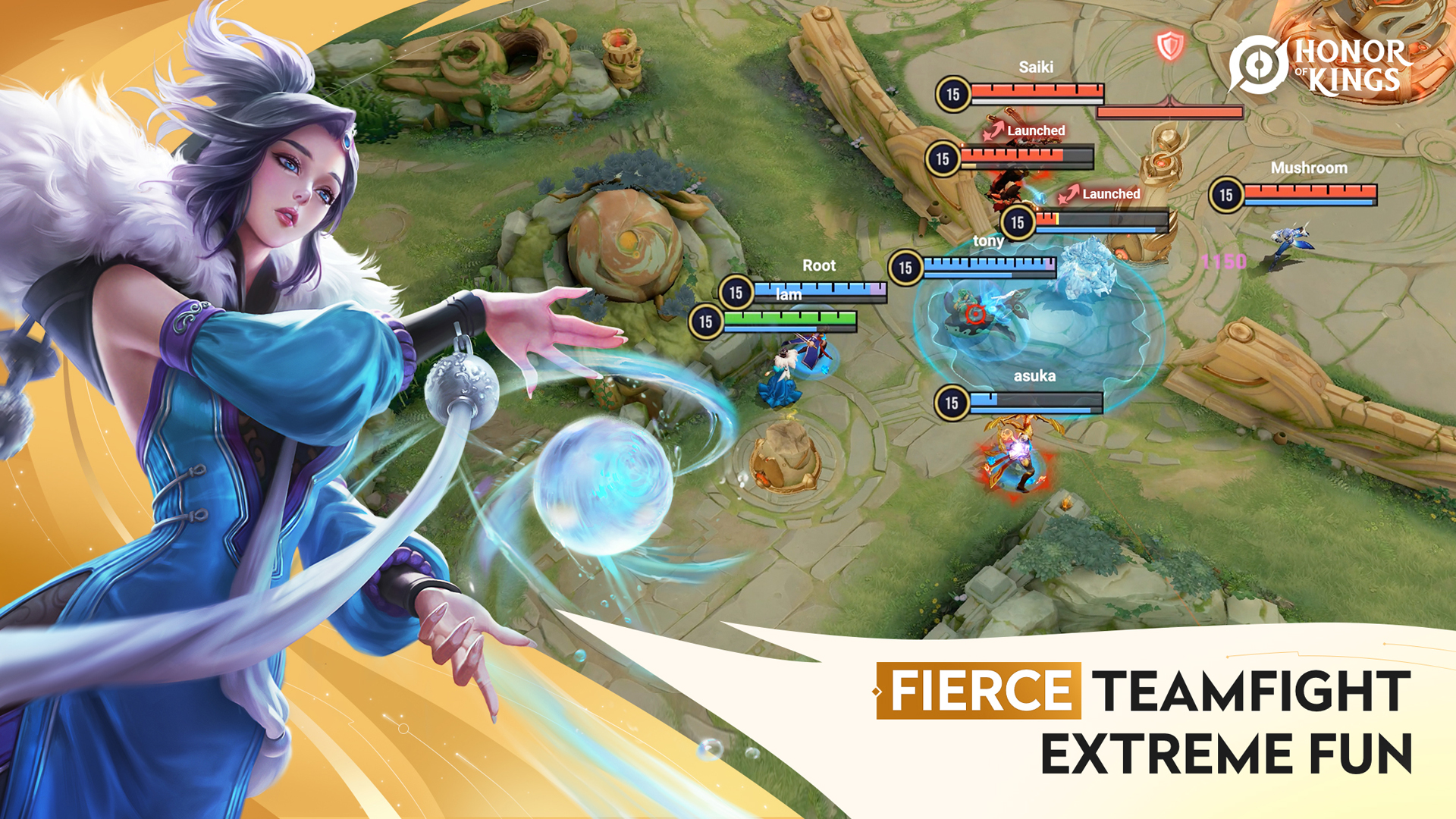
You’ll jump into fast-paced 5v5 battles where strategic teamwork and individual skill matter equally. Honor of Kings stands out because it pairs a huge roster of distinct heroes with challenging skill kits that reward practice and tactical thinking, making each match feel meaningful.
Expect an article that breaks down what makes the game engaging: hero classes and standout picks, the mechanics behind tricky abilities you’ll want to master, varied modes for quick or competitive play, and practical strategies to climb ranks and earn rewards. You’ll also get a look at community features and upcoming updates so you know how the game is evolving and where to focus your time.
Overview of Honor of Kings
You’ll find a mobile MOBA built for fast matches, deep hero variety, and a large competitive ecosystem. The game emphasizes short, strategic 5v5 battles, distinct hero roles, and frequent balance updates.
Game Genre and Platform Availability
Honor of Kings is a multiplayer online battle arena (MOBA) focused on 5v5 team combat. Matches typically run 12–20 minutes, designed for mobile play sessions that fit commutes or short breaks.
The game runs primarily on iOS and Android. Expect regular client updates, seasonal events, and downloadable resources that expand roster and skins. Some regions receive localized versions, while global releases may differ in hero names, monetization, and content pacing.
You’ll encounter six broad hero classes—assassin, warrior, mage, marksman, tank, and support—each built for lane or team roles. The client supports ranked ladders, casual queues, and limited-time modes to vary play.
Popularity and Competitive Scene
Honor of Kings is one of the highest-played mobile MOBAs worldwide, with millions of monthly active users concentrated in East and Southeast Asia. The player base fuels a robust ranked ecosystem from beginner tiers to professional circuits.
Esports organizations run regional leagues and large-scale tournaments offering significant prize pools. You’ll see structured pro seasons, franchised teams in some regions, and live broadcasts with analytic commentary. Professional meta shifts often influence which heroes dominate casual play.
Community content—guides, tier lists, and hero analyses—moves quickly after patches. If you follow climb-oriented play, tracking patch notes and pro pick rates will improve your hero choices and match outcomes.
Core Gameplay Mechanics
Matches center on objective control: destroy enemy turrets, secure neutral monsters (buff camps), and ultimately break the enemy base. Lane assignments and jungle pathing shape early-game priorities.
Each hero has a basic attack, three active skills (including an ultimate), and passive traits. Skill combos, cooldown management, and itemization determine power spikes. You’ll buy items mid-match to amplify damage, defense, or utility according to role and enemy composition.
The game uses a draft phase for ranked play, including hero bans and picks. Vision, map rotations, and teamfight positioning decide most high-level games. Mastering wave control and timing for tower dives will directly increase your win rate.
Unique Features of Honor of Kings
You’ll find a tight blend of hero variety, skill-dependent combat, and polished presentation that shapes match strategy, team roles, and moment-to-moment decision-making.
Distinctive Heroes and Roles
Heroes in Honor of Kings come with clearly defined roles: Assassin, Mage, Marksman, Tank, Fighter, and Support. Each hero has a unique kit of 3–4 skills and a passive that influences how you play them.
Pick an Assassin to focus on burst damage and flank play. Choose a Marksman for sustained physical DPS and objective control. Tanks initiate fights and absorb damage, while Supports enable plays with shields, heals, or crowd control.
You’ll also encounter role-adjacent designs: some Fighters blend frontline durability with mobility, and some Mages offer sustained poke rather than pure burst. The roster emphasizes identity—if you pick a hero known for roaming, the kit usually rewards map movement and quick skirmishes.
Hero balance and seasonal additions shift the meta, so adapt your role choice to team composition and current patches.
Skill-Based Gameplay Elements
Combat hinges on timing, targeting, and skill combos rather than raw item stats alone. Most heroes require skill shots, area control, or directional abilities that demand aiming and positioning.
Active use of mobility skills changes engagements: dash through a minion wave, cancel an animation to dodge, or chain crowd control to secure kills. You’ll need to read cooldown windows and manage resource systems like mana or energy.
Objective play (tower sieges, turtle/dragon contests) rewards coordinated use of ultimates and zoning skills. Mechanics such as shield buffering, skill interrupts, and displacement create reactive depth—your ability to counter an enemy ability often decides fights.
Practice combos in training mode to internalize cast ranges and casting delays; that knowledge translates directly to higher win rates in ranked matches.
Visual and Audio Design
The game uses high-resolution hero models and distinct visual cues for each skill, letting you identify abilities and threat patterns quickly. Skill VFX often include unique color codes and shapes so you can spot incoming area-of-effect damage or debuffs from a distance.
Maps feature clear lane distinctions (upper, middle, lower) and readable jungle camps with icons that show respawn timers and buff types.
Sound design supports gameplay decisions: unique audio cues announce ultimates, low-health states, and objective spawns. You’ll hear directionally accurate effects for incoming attacks, which helps you react even without looking directly at an animation.
Menus and HUD elements remain uncluttered, prioritizing critical information like cooldowns, gold, and objective timers so you can focus on tactical choice rather than parsing the interface.
Best Heroes with Unique Skills
You’ll find heroes who excel in lane control, burst damage, crowd control, and objective play. Each pick below highlights concrete strengths, ideal timing, and playstyle impact so you can choose based on role and team needs.
Top-Performing Hero Choices
- Lu Bu (fighter): Strong early skirmish pressure and sustain from lifesteal. You’ll use him to bully solo lanes and secure early tower plates.
- Li Bai (assassin): High mobility and single-target burst. Play him to punish isolated carries and reset fights with quick repositioning.
- Da Ji (mage/assassin hybrid): Exceptional pick potential with displacement and burst. Focus on roaming and catching backline squishies.
- Luban No.7 (marksman): Superior sustained DPS and zone control in late game. Prioritize farm and positioning to output consistent teamfight damage.
- Wukong (fighter/assassin): Good engage and disruption with clone mechanics. Use him to initiate or peel depending on team composition.
Choose the hero that matches your role and match tempo. Consider enemy CC and vision when locking in a high-mobility assassin.
Special Abilities That Define Meta
- Dash-and-burst combos: Heroes with gap closers plus instant-burst skills polarize the meta because they end skirmishes quickly. You should draft anti-mobility items or champions with reliable crowd control to counter them.
- AOE displacement and zoning: Abilities that push or pull multiple enemies shift objective control. Prioritize heroes who can contest dragon or tower fights when enemy zoning is strong.
- Sustain and lifesteal: Heroes who self-heal extend lane presence and snowball turrets. Target them early with Grievous Wounds effects or coordinated focus.
- Invulnerability frames / clones: Mechanics that avoid damage change target selection. Track cooldown windows and force fights when those defensive tools are down.
Note the timings of these skills. You can exploit long cooldowns or item spikes to swing engagements in your favor.
Hero Versatility Explained
- Role flex picks: Some heroes perform reliably across lanes—fighters that build lethality for carry or tank items for frontlining. You should adapt their build to team needs each match.
- Skill-synergy with items: Mobility heroes benefit markedly from attack-speed and cooldown reductions, while mages scale with magic penetration and ability power. Match your item path to amplify core skills.
- Early vs late scaling: Identify whether a hero peaks in early skirmishes (Lu Bu, Li Bai) or late game (Luban No.7). Your objective control and playstyle should align with that power curve.
- Counterplay options: Versatile heroes still have counters: hard CC, burst, or vision denial. Use bans or draft to minimize straightforward counters to your preferred heroes.
Adapt picks based on team composition and match flow to maximize each hero’s unique toolkit.
Challenging Skills and Mastery
You will face heroes whose skills demand tight timing, precise positioning, and quick decision-making. Mastering those skills increases your impact in fights and lets you carry games from mid-lane, jungle, or as a flanker.
Mechanically Intensive Heroes
Mechanically intensive heroes require fast reflexes and repeated practice to execute combos reliably. Examples include melee assassins who must weave skillshots and dashes to enter, burst, and exit without dying, and mages who rely on landing long-range abilities under pressure.
Focus on three concrete aspects: animation canceling to shorten recovery frames, skillshot prediction to hit moving targets, and combo rhythm to chain damage before opponents react. Practice in custom matches against bots to drill timing, then move to 1v1s to add pressure. Track your miss rate for key abilities and cut it by 20–30% before taking the hero into ranked.
Use hotkey bindings that minimize finger travel and customize sensitivity for aiming skills. Record short clips of failed engages to pinpoint hesitations. Small changes in execution raise your kill potential and survival in every skirmish.
Skill Combinations and Strategies
Effective combos combine displacement, crowd control, and burst in a predictable order. For example, initiate with a gap-closer dash, follow with an AOE stun to lock targets, then unload single-target burst while enemy mobility is on cooldown.
Plan combos around enemy cooldowns and item timings. Identify one priority target per team fight—typically the enemy carry—and design your engage to strip their escape rather than just deal damage. Use vision control and flank angles so your first ability connects cleanly.
Create a simple checklist before each team fight: (1) key enemy cooldowns, (2) your crowd-control availability, (3) escape route post-engage. Communicate intent with pings when you have a full combo ready. Rehearse combos in practice mode to build muscle memory for timing and spacing.
Tips for Improving Hero Mastery
Set short, measurable goals for practice sessions. Example goals: land 30 consecutive skillshots in training, reduce combo execution time by 0.5 seconds, or maintain above 60% kill participation on a hero over five games.
Work on one technical skill per week—aiming, animation canceling, or wave control—and review replay highlights after each play session. Pay attention to positioning errors, missed stuns, and timing mistakes. Adjust your build only when you can explain why a change improves a specific weakness.
Use these tools: custom matches, replay review, sensitivity tweaks, and focused drills. Track progress with simple stats: hit rate, deaths per game, and objective contribution. Incremental improvements compound quickly; disciplined practice turns difficult heroes into reliable picks.
Popular Game Modes and Competitive Play
You’ll encounter fast casual matches and structured competitive ladders that prioritize teamwork, objective control, and hero mastery. Expect 5v5 core gameplay, quicker skirmish variants, ranked progression, and an active esports scene with regional leagues and international events.
Ranked Matches Structure
Ranked uses divisions from Bronze to Conqueror (or equivalent seasonal tiers). Matches assign MMR based on wins, losses, and individual performance metrics like kills, deaths, assists, and objective participation. Promotion requires accumulating stars or points; losing can cost progress, while streaks and MVP performances grant bonuses.
Queue options include solo and duo, and party matchmaking affects expected MMR volatility. Seasonal resets happen regularly—typically every few months—so you should plan hero practice and climb early in the season. Honor and behavior systems influence soft matchmaking; repeated reports or AFK penalties lower your priority for high-tier queues.
Team Composition Strategies
Balance a team across five roles: carry (marksman), mid mage/assassin, offlane/tank, jungler, and support. You should ensure at least one reliable damage dealer and one frontline engager to secure objectives like turrets and the Abyssal Dragon. Draft flexibility matters; lock in counter-picks and deny crucial scaling heroes from opponents.
Synergy examples: pair area-control mages with an engage tank to capitalize on crowd control; give the jungler priority farm when your carry needs late-game items. Communicate start timers for buffs and objective windows. Itemization should align with role responsibilities—support builds vision and utilities, carries focus raw damage and attack speed, while tanks stack defenses and initiation tools.
Esports Integration
Honor of Kings maintains a structured pro circuit with regional leagues feeding into larger international tournaments. Teams follow patch-informed metas, and pro drafts emphasize contested heroes, lane matchups, and jungle pathing. If you watch matches, focus on rotation timings, vision control around major objectives, and how pro teams convert small leads into map pressure.
Pro-level preparation includes scrims, VOD reviews, and set compositions built for win conditions rather than solo strength. Tournament formats vary: best-of-three during regular stages, best-of-five in finals. You can track patch notes and pro picks to mirror successful strategies in your ranked play.
In-Game Strategies for Victory
Focus on objective control, timing, and role-specific responsibilities. Prioritize map vision, item timing, and coordinated engages to turn small advantages into map-wide leads.
Early, Mid, and Late Game Tactics
Early: Secure lane priority and last-hit minions to reach item breakpoints. Trade only when your abilities and minion wave favor you; respect enemy crowd control. If you play jungle, plan a clear path that secures at least one buff and sets up for a level-2 gank on an overextended lane.
Mid: Rotate after pushing a wave to take neutral objectives — turtle, buffs, and towers. Force fights when your core item is online or the enemy lacks ultimates. Use split pressure: one or two players push a side lane while the rest threaten a team fight or objective.
Late: Focus on vision around the base and Baron-equivalent timers. Group when your carries finish key items and avoid risking 1v1s that lose tempo. Use pick attempts with vision denial, then convert picks into towers or base pressure before the enemy respawns.
Communicating and Coordinating with Teammates
Call simple, clear information: ultimate availability, enemy missing, and cooldown timers. Use pings for urgency — danger, assist, or retreat — and back up pings with brief text if needed.
Assign roles for each objective: who starts turtle, who wards, who resets, and who finishes gold. Coordinate power spikes: announce item or level completions so teammates engage when your core is strong. During team fights, assign targets; tell your marksman to peel or dive based on the fight makeup.
Counterplay and Adaptation
Track enemy item and skill timings; note when their jungler leaves the map. If an enemy snowballs, change lane assignments or rotate a strong duelist to that lane to relieve pressure.
Adjust builds for specific threats: buy anti-heal versus sustain, early magic resist vs heavy AP, or movement items to kite assassins. Swap tactics if lanes fall behind — prioritize vision and picks over full-team fights until you regain farm or items.
Progression and Reward Systems
You earn heroes, cosmetics, and competitive rank by playing, completing objectives, and spending in-game currencies. Focus on consistent daily missions, ranked matches, and seasonal activities to maximize free rewards and speed up unlocks.
Unlocking Heroes and Skins
You can unlock heroes through in-game currency (gold), hero shards, or direct purchase with premium currency. New players should prioritize a core hero first; mastering one hero reduces the need to buy many early on.
Hero shards drop from daily login rewards, events, and certain chests. Combine shards to permanently unlock specific heroes without spending premium currency. Skins require either premium currency, special event tokens, or limited-time bundles; some skins are unlockable via seasonal shop exchanges.
Use the hero trial and rental systems to test characters before committing. Track weekly sales and hero rotation offers to get discounts. If you spend, buy bundles that include both hero and skin to maximize value.
Achievements and Missions
Daily missions give predictable currency and hero shards; complete basic tasks like play X matches, win Y games, or use role Z. Weekly missions often reward larger amounts of gold, shard packs, or experience for the Battle Pass.
Achievements provide long-term objectives such as reaching rank milestones, accumulating matches, or performing specific in-game feats. Claim achievement rewards in the profile or achievement tab; some grant exclusive titles or icons.
Prioritize missions that overlap—pick tasks that count toward both daily and weekly goals. Use the mission tracker to plan sessions; a short focused playtime often nets the best progression per hour.
Battle Pass and Season Rewards
The Battle Pass runs per season and has free and premium tracks. Free track rewards typically include gold, basic hero shards, consumables, and small cosmetic items. Premium track unlocks larger rewards like exclusive skins, significant shard bundles, and premium currency.
Leveling the Battle Pass grants immediate and milestone rewards. You earn pass XP via match completions, daily/weekly missions, and special seasonal events. Some seasons include ranked milestones that give bonus pass XP when you hit specific ranks.
If you aim to maximize value, complete daily tasks, target pass-specific missions, and use any seasonal XP boosters. Buying the premium pass early can unlock time-limited bundles that are unavailable after the season ends.
Community and Social Features
Honor of Kings gives you multiple ways to connect, coordinate, and create content with other players. You can join structured teams, use built-in communication tools for real-time tactics, and publish gameplay clips and guides to grow your presence.
Guilds and Team Play
Guilds act as your stable team hub, offering scheduled practice, shared resources, and progression rewards tied to collective activity. You can join guilds with role-specific needs — for example, some recruit solo queue mains while others focus on ranked five‑man synergy — so pick one that matches your play frequency and competitive goals.
Guild systems typically include contribution gifts, daily quests that boost guild level, and internal leaderboards. Those features let you earn exclusive skins, currency, or buff items that support both casual and competitive play. Many guilds host in‑game scrimmages and mentor programs; if you want faster improvement, prioritize guilds that run weekly drills and replay reviews.
In-Game Communication Tools
You get voice chat, quick ping commands, and customizable emotes to maintain fast, clear coordination during matches. Voice rooms support team-wide or squad-only channels with mute and priority controls, so you manage noise while keeping critical calls audible.
Ping systems include location, danger, and objective timers with cooldowns to prevent spam. Text chat covers lobby, team, and friend-only messages with clipboard copy for match IDs or replay links. Use preset callouts for objective timing (e.g., Baron/Dragon spawn) to reduce miscommunication in high-pressure moments.
Content Creation and Sharing
The game integrates a clip recorder and screenshot tool that capture highlights with minimal performance impact. You can trim, add voiceover, and attach tags before exporting files to social platforms or the in‑game feed.
Creators benefit from an in‑game studio for basic editing, plus scheduled event showcases that surface community videos to wider audiences. If you stream, use the built-in stream key linking and highlight export to shorten upload times. For guide authors, the hero build sharing system lets you publish item and skill paths with pick rates and win rates visible to other players.
Future Developments and Updates
Expect a steady flow of new heroes, modes, and balance shifts that target play variety, competitive integrity, and longer-term customization. Planned changes emphasize distinct hero mechanics, revised core systems, and a transparent timeline from the developers.
Upcoming Heroes and Content
You will see new heroes designed to expand niche roles and team synergies rather than duplicate existing kits. Recent announcements point to support-type heroes like Dyadia who blend utility with resource-stealing mechanics, and fighters such as Bai Qi with life-steal and crowd-control traits. Expect hero releases to include full kit breakdowns, lore, and early test windows on public servers.
New content will arrive as seasonal or theme-driven packs: limited-time game modes, Flowborn-style customizable avatars, and hero reworks (for example, Mi Lady). Skins and cosmetics will often accompany hero launches to offer visual differentiation and monetization without altering core power.
Updated Game Mechanics
You should anticipate mechanical updates that reshape progression and in-match interactions. Flowborn introduces avatar-level customization that separates player identity from fixed hero loadouts, affecting cosmetics, voice lines, and some non-combat animations. Base and map tweaks—like platform bounce mechanics—change laning and rotation patterns, so adapt your routeing and timing.
Balance patches will address items, cooldown scaling, and XP curves to keep competitive matches fair. AI features such as an in-game gaming buddy aim to assist newer players and supplement practice, while special modes will test new mechanics before they enter ranked play.
Developer Roadmap
You can track planned releases through official timeline posts and patch notes that specify hero drops, mode launches, and system overhauls. Developers have signaled multi-phase launches: initial public tests, followed by global server rollouts and themed events tied to major seasons.
Expect shorter, frequent balance updates interleaved with major seasonal updates named campaigns (e.g., “HoK Gokil”) that bundle heroes, modes, and UI or backend improvements. Roadmaps also prioritize competitive integrity—rank adjustments, anti-cheat updates, and clearer matchmaking metrics—to keep your ranked experience stable.