

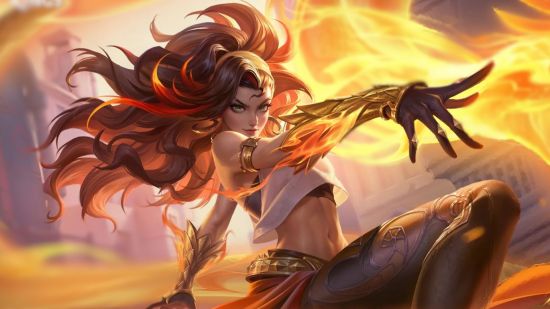
You’ll jump into fast, strategic 5v5 battles where hero choice and teamwork matter more than raw grind. The game mixes classic MOBA mechanics with a wide roster of myth-inspired heroes and multiple modes that keep each session fresh and competitive.
If you want a mobile MOBA that balances deep strategy, varied game modes, and a large competitive scene, Honor of Kings delivers a consistently engaging experience. Explore hero picks, mode-specific tactics, progression systems, and the esports and community features that make each match feel meaningful.
Overview of Honor of Kings
You’ll find a mobile MOBA that blends fast 5v5 matches, heroes drawn from Asian myths, and multiple quick-play modes for different playstyles. Match length, hero roles, and mode rules shape how you approach strategy and teamwork.
Game Concept and Genre
Honor of Kings is a mobile Multiplayer Online Battle Arena (MOBA) focused on short, strategic team fights. You pick a hero—assassin, tank, mage, marksman, or support—and work with four teammates to destroy the enemy base. Heroes feature unique abilities and power curves, so mastering one or two heroes speeds your climb.
The game mixes traditional MOBA lane control with mobile-friendly controls like virtual joysticks and streamlined item builds. Maps often include jungle camps, towers, and objectives that reward coordinated ganks and objective timing. You’ll find set roles and clear late‑game scaling, which keeps matches competitive from early skirmishes to final team fights.
Popularity and Global Reach
Honor of Kings first launched in China in 2015 and grew into one of the highest-grossing mobile titles worldwide. It amassed hundreds of millions of registered users in China before expanding to global markets in mid-2024. You’ll see a large regional player base in East and Southeast Asia, plus growing communities in Latin America after the international release.
The game’s large esports scene and frequent in-game events maintain player engagement. Developers localize content—heroes, events, and skins—to suit regional tastes, so your server experience may differ by country. Cross-region tournaments and streaming also boost its international visibility.
Core Gameplay Mechanics
Matches usually center on a 5v5 map with three lanes, jungle areas, and defensive towers. You gain gold and experience from minions, kills, and neutral objectives to buy items that amplify hero strengths. Objective control—Dragon, turret pushes, and epic monsters—often decides games more than individual kills.
Control and coordination matter: you’ll need to manage wave pressure, vision of the map, and timing for team fights. Item progression is simplified for mobile play with recommended builds, but adaptive item choices remain crucial. Ranked play uses matchmaking and bans to balance skill and maintain competitive integrity.
Unique Heroes and Best Picks
You’ll find heroes built for precise roles: burst assassins, sustain bruisers, and long-range mages. Pick heroes that match your playstyle and the lane or mode you plan to focus on.
Diverse Hero Classes
Honor of Kings divides heroes into clear classes: Assassin, Warrior, Mage, Marksman, Support, and Tank.
Assassins excel at single-target burst and roaming—use them to punish isolated carries. Warriors handle skirmishes and split-push with balanced damage and survivability. Mages control fights with area spells and waveclear; prioritize cooldown reduction and magic penetration when you play them.
Marksmen carry late-game sustained damage; protect them early and stack attack speed/crit items. Supports provide peel, vision, and engages—build items that increase healing or crowd control uptime. Tanks start fights and soak damage; pick them when your team needs initiation or protection for a fragile carry.
Top Meta Heroes
Meta shifts with patches, but some heroes consistently perform due to kit flexibility and item synergies.
- S-tier examples (common in recent metas): mobile assassins with reliable gap closes, mages with hard CC that scale into mid-game, and marksmen who can reposition quickly.
- B-tier picks work well in coordinated play or niche matchups; they require skill or item timing to shine.
When choosing for ranked play, prioritize heroes with simple power spikes and clear item paths. Track win-rate changes after each patch and favor heroes whose strengths align with your ranked role. Practice a small champion pool: 3–5 heroes across two classes ensures adaptability without sacrificing mastery.
Hero Progression and Customization
You progress heroes through mastery, skins, and item builds that alter their effectiveness during a match.
Unlock skins and emblems for visual and sometimes minor stat boosts; these don’t replace core itemization but can change how you feel about a hero. Emblem trees provide cross-hero stat customization—choose offense for aggressive play or defense to survive lane pressure.
In-match customization matters most: adapt your build path to enemy composition (e.g., early magic resist vs. heavy AP, or lifesteal vs. sustain). Leveling abilities in the correct order for your role—maxing waveclear for mages, or burst combo for assassins—gives tangible power spikes. Practice item and emblem variants in normal matches to find the combinations that fit your playstyle.
Variety of Game Modes
You can choose modes that match your time, skill goals, and social preferences. Expect a core strategic 5v5, faster casual options, and competitive ranked systems with performance-based matchmaking and seasonal progression.
Classic 5v5 Battle
Classic 5v5 is the main MOBA mode where two teams contest three lanes and a jungle on a symmetrical map. You pick a hero with a defined role — like carry, tank, mage, or support — and focus on objectives: destroy turrets, secure jungle buffs, and push to the enemy base.
Early game centers on laning, gold and experience management, and avoiding ganks. Mid game shifts to grouping for teamfights and contesting neutral objectives such as powerful buffs or epic monsters.
You must coordinate with teammates on vision, crowd control chains, and target priority to win teamfights. Match length typically runs 12–20 minutes, but can extend if both teams stall at objectives.
Hero builds and item timing matter; adapt your items to enemy composition. Communication through quick pings and simple text voice chat improves synergy.
Quick Match and Limited-Time Modes
Quick Match offers shortened sessions with simplified objectives, ideal when you have 10–15 minutes to play. These matches often use pre-set hero pools or altered gold/experience rates to accelerate action.
Limited-time modes rotate regularly and introduce rule changes like altered maps, special mechanics, or themed events (seasonal collaborations and holiday modifiers). They can provide unique rewards such as skins, event currencies, and cosmetics.
You can use these modes to test unfamiliar heroes or practice mechanics without affecting ranked stats. Expect more chaotic, fun-focused gameplay and looser team coordination compared with Classic.
Ranked Match Features
Ranked matches use a tiered ladder with divisions (e.g., Bronze to Conqueror) and seasonal resets that refresh progression and rewards. You climb by winning placement matches and earning League Points; losses subtract points or trigger demotion protection depending on the rank.
Matchmaking pairs you with teammates of similar skill using MMR (matchmaking rating), and the system aims to balance teams based on recent performance. Ranked matches enforce stricter conduct rules and often enable hero bans or pick protections to increase competitive depth.
Seasonal rewards include exclusive skins, badges, and in-game currency. Focus on role mastery, consistent mechanics, and shot-calling to improve your rank over time.
Strategies for Success
Focus on clear role balance, timely objective control, and itemization that counters enemy strengths. Coordinate engages and rotations so your team secures kills, towers, and late-game scaling.
Team Composition
Pick a clear win condition before the match starts. Choose one primary carry (marksman or assassin) and ensure you have at least one reliable frontline (tank or fighter) plus one sustain or utility support to protect and enable the carry.
Balance physical and magical damage to avoid being shut down by single defensive items. If the enemy has heavy crowd control, prioritize a hero with cleanse or mobility.
Consider matchups for side lanes and jungle timing. Assign a wave-clear mage or marksman to defend lane pressure while your jungler focuses drake/monster control. Aim for synergy: crowd-control chains (AoE root into burst) and peel tools (stuns, shields) matter more than picking many duelists.
- Draft checklist: Carry, Frontline, Support, Wave-clear, Jungle control.
- Swap roles if enemy draft forces it: a secondary carry can pivot to mid-late scaling.
Map Awareness
Keep constant vision on objective timers and enemy rotations. Ping the map when you see missing opponents and track enemy jungler location by noting which lanes push or fall back.
Prioritize control of neutral objectives (boss, buffs) with two or three players; solo attempts risk losing towers while you contest. Place wards at choke points and recall only when safe or after you clear vision.
Read the minimap every 10–15 seconds and call targets when you see an overextended hero. Use split-push pressure only when your team controls at least one objective or has vision on most enemies. Rotate quickly: a single fast rotation can turn a 1-for-1 into a multi-takedown and tower.
Item Builds
Build to counter the enemy’s primary damage type and crowd control. If enemy team stacks armor, buy armor penetration or full-penetration items; if they stack magic resist, prioritize magic penetration and spell vamp.
Adjust defensive items based on target priority: pick a quick active shield or tenacity item if you’re the primary engage, or a layered sustain item if you expect drawn-out fights.
Follow simple rules during a match:
- First back: buy core survivability (boots + defensive/attack component).
- Midgame: finish at least one damage item and one defensive item.
- Late game: aim for situational actives (cleanse, slow, speed) that let you survive focus.
Check enemy build progress before buying to avoid wasted stats; sell low-value early items for higher impact upgrades when gold allows.
Competitive Esports Scene
Honor of Kings supports a fast-growing competitive ecosystem with regional leagues, high-prize international tournaments, and strong team investment. You’ll find structured seasonal circuits, marquee events that draw global viewership, and clear pathways for pro players from grassroots to franchised teams.
Major Tournaments and Events
The calendar centers on regional league seasons that feed into large international finals. Expect multi-stage formats: regular season play, playoff brackets, and a culminating world championship with group and knockout phases. Prize pools vary by region but often include six- to seven-figure totals for top events.
Events pair online qualifiers with LAN finals in major host cities across Southeast Asia and China. Tournament broadcasts use multi-language streams, in-game viewing features, and simultaneous fan events like viewing parties and cosplay contests. Organizers frequently run side events—showmatches, celebrity exhibitions, and developer panels—that boost spectator engagement.
Professional Teams and Players
Top-tier organizations maintain dedicated rosters, coaching staff, analysts, and content teams. You’ll see established powerhouses from China and rising franchises in Southeast Asia and Indonesia competing in franchised regional leagues. Team rosters often include a mix of veteran shot-callers and mechanically skilled juniors.
Individual players gain recognition through signature heroes and statistical dominance—high KDA, objective control, and consistent map rotations. Players transition to streaming and brand partnerships, increasing their earnings beyond salaries and tournament winnings. Scouting pipelines include academy teams, open qualifiers, and regional amateur circuits that feed talent into pro ranks.
In-Game Rewards and Progression
You earn rewards through daily play, limited seasonal content, and long-term achievements that unlock heroes, skins, and currencies. Progression ties directly to activity: the more you play ranked, complete events, and finish milestones, the faster you unlock permanent items.
Daily and Seasonal Events
Daily tasks give predictable gains: log in, win a match, or complete a PvE challenge to earn coins, experience, and event tokens. Tokens exchange for hero shards, skin fragments, or limited-time chests in the event shop.
Seasonal passes run in defined windows (typically ~3 months for ranked seasons and shorter cycles for Honor Passes) and grant tiered rewards as you hit XP milestones. Paid passes unlock premium skins, exclusive avatars, and faster token gain.
Watch event timers and weekly quests to maximize efficiency. Prioritize high-value quests (win streaks, hero-specific objectives) and save event tokens for guaranteed-item thresholds rather than random rolls.
Achievement System
The achievement/career system tracks your long-term milestones: hero mastery, total matches, seasonal rank peaks, and special-mode completions. Each level in the career ladder grants concrete rewards like free heroes, skin fragments, and title badges.
Achievement progress often provides protection mechanics in ranked play (e.g., Result Points or Bravery Points) that reduce star loss after losses. Focus on repeatable achievements (daily hero mastery, 5v5 coordination bonuses) to compound steady progression.
Claim rewards promptly from the career UI and monitor milestone pop-ups; some limited rewards require manual redemption within the season window.
Community and Social Features
Honor of Kings gives you tools to build teams, join active groups, and keep clear lines of communication during matches. You can manage memberships, set roles, and use multiple chat channels to coordinate strategy and socialize.
Guilds and Friends
Guilds let you join a persistent group with perks like guild-only events, shared rewards, and progression that benefits all members. You can apply or be invited, assign roles (leader, officer, member), and track guild activity such as contribution points and event participation.
Guild systems often include schedules for guild wars, cooperative challenges, and a guild shop where you redeem currency earned from group play. You can create subgroups for coaching or ranked squads, set recruitment criteria, and pin notices so everyone sees important updates.
Friend lists let you add players by ID, recent teammates, or QR code. You can form premade teams from friends, view online status, and send invitations directly to matches or practice rooms. Managing friends and guilds speeds up queue times and improves match coordination.
In-Game Chat and Communication
The game provides multi-channel chat: team-only, all-chat, private messages, and guild chat. You can mute or block players, filter voice/text content, and set quick-chat presets for common calls like “attack” or “retreat” to keep communication efficient.
Voice chat supports real-time coordination in ranked play, with options to limit voice to party members or enable push-to-talk. Text chat includes emotes, pre-set tactical phrases, and link sharing for player profiles and match stats.
Match HUD features pings and quick signals that transmit lane, target, and danger alerts without typing. Use these pings with voice or text to direct plays; they register on the minimap and appear as short, actionable prompts to your teammates.
Updates and Future Developments
Recent updates add new heroes, modes, and AI-assisted features that change match pacing and player options. The developer roadmap signals steady seasonal content, hero reworks, and systems that expand customization and match variety.
Recent Content Expansions
You now see more frequent hero releases and targeted reworks that shift team composition and role balance. Examples include a life-steal, taunt-and-stun fighter introduced during Season 10 and a heroine with an “Undying” mechanic rolled out in a later big patch.
New modes arrive alongside these heroes to diversify play: experimental limited-time modes such as platform-bounce arenas, Hook or Crook, and Mechcraft-style matches alter objectives and movement, so you can practice different skills and strategies.
The game also added AI gaming buddies and multilingual voice-over support to improve accessibility and solo play experience. These features change how you queue, learn new heroes, and keep matches engaging outside the standard 5v5 loop.
Developer Plans and Roadmap
Developers plan recurring seasonal updates that combine hero releases, balance patches, and system overhauls tied to major events. You can expect larger themed updates (for example, “HoK Gokil” or Honor of Kings Plus) roughly every few months, each introducing at least one hero, a new mode, and quality-of-life improvements.
Roadmap items emphasize customization (Flowborn avatars and deeper loadout options), competitive mode tuning, and continued investment in AI features to assist matchmaking and practice. The studio also commits to localization and voice work in multiple languages, which will expand global accessibility and narrative depth.
If you follow patch notes and event calendars, you’ll more easily plan what to try next—new heroes, limited modes, or seasonal rewards tied to the roadmap.