

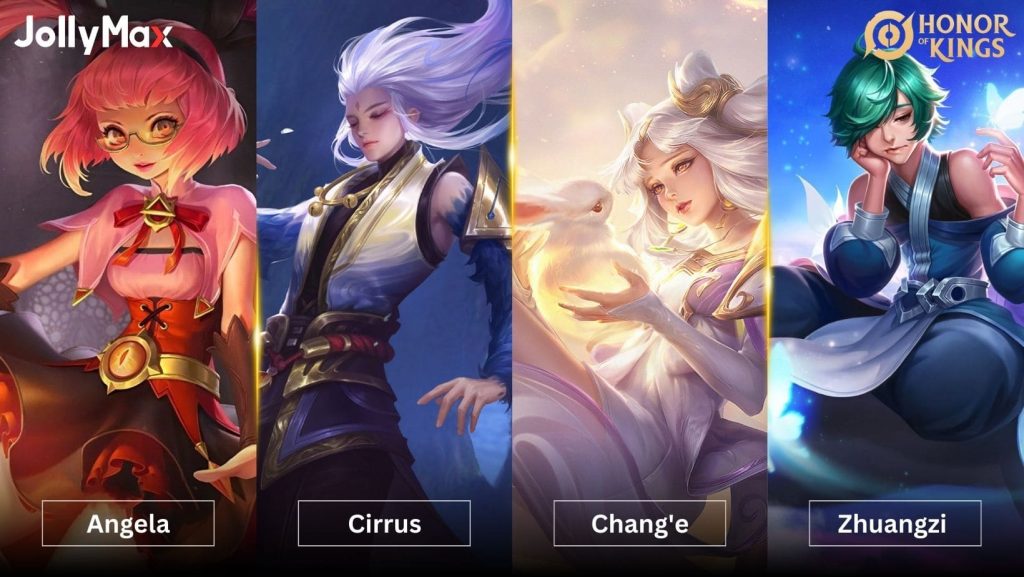
You’ll find Honor of Kings stands out because it blends fast, strategic 5v5 MOBA gameplay with polished graphics, a deep hero roster, and regular live events that keep matches fresh. If you want a mobile MOBA that balances accessibility for newcomers with complex hero mechanics and competitive depth, Honor of Kings delivers on both fronts.
Expect sections that break down its unique gameplay modes, standout features like localized voice-over and large hero pool, how it compares to other top MOBAs, and why its active community and esports support matter for long-term play. This article will also cover live updates, in-game economy fairness, and how those elements shape your experience.
Unique Advantages of Honor of Kings as a MOBA
You get fast-paced 5v5 matches, a variety of alternative modes for quick play, and a large roster of heroes that scale in accessibility and complexity. The game balances mobile-friendly controls with tactical depth so you can learn quickly but still refine high-level decisions.
Innovative Gameplay Mechanics
Honor of Kings adapts classic three-lane MOBA structure to mobile with touch-friendly shortcuts and streamlined item progression. You can use one-tap ability combinations and simplified camera controls to execute rotations and ganks without losing precision.
The game includes alternative modes like 1v1 and 3v3 that let you practice specific skills or shorten match time when you want quicker sessions. These modes preserve core mechanics but change pacing and objectives, so you can focus on dueling, micro-skills, or small-team coordination.
Match pacing leans faster than many PC MOBAs. Core objectives — lane pushes, tower sieges, and team fights — resolve quicker, so your decisions about timing, item spikes, and objective control feel meaningful within a 15–20 minute window.
Competitive and Balanced Environment
Honor of Kings maintains a matchmaking system and ranked ladder that emphasize fair matches and clear progression. You can climb tiers by improving CS, map awareness, and hero mastery rather than relying on pay-to-win power spikes.
Developers regularly tune hero stats and item costs to keep the meta shifting without destabilizing ranked play. Affordable gold requirements for heroes let you experiment more: you can buy new characters faster and test roles without long grind barriers.
Esports infrastructure and frequent balance patches create a competitive environment where mechanical skill and team strategy reward consistent improvement. If you focus on map control, objective prioritization, and coordinated ultimates, you’ll see measurable rank gains.
Distinctive Hero Designs
Heroes in Honor of Kings draw from mythology and regional lore, offering visually distinct silhouettes and thematic kits. Each hero emphasizes a clear role—assassin, mage, tank, marksman, or support—so you can pick based on playstyle and team needs.
Abilities often combine recognizable mechanics with unique twists: that might be mobility combined with area crowd control, or sustain that scales with objectives. This lets you find niche strategies and counterplays instead of interchangeable kits.
The roster includes both beginner-friendly characters with straightforward toolsets and high-skill heroes that reward precise timing. You can progress from learning a simple marksman to mastering a complex assassin as you refine mechanics and game sense.
Outstanding Features Contributing to Its Popularity
Honor of Kings combines polished performance, accessible controls, and localized content to reach a wide mobile audience. These elements work together to keep matches smooth, characters expressive, and players engaged across regions.
Seamless Mobile Optimization
You get consistent 60 FPS performance on mid-range devices because the game uses scalable graphics presets and optimized asset streaming. Texture quality and effects automatically adjust to your device, reducing stutters during teamfights without forcing you to tinker with advanced settings.
Battery and thermal management are built into the client. The game throttles nonessential background tasks and lowers rendering complexity during prolonged play to help prevent overheating and abrupt FPS drops. Network code minimizes latency spikes by prioritizing real-time packets and offering region-based server matching so ping stays low in most matches.
Intuitive Controls and User Experience
The control layout maps core actions—move, basic attack, skill casts—into a reachable thumb zone, letting you execute combos without stretching. You can customize skill hotkeys and sensitivity, and the game supports tap-to-move, fixed-joystick, and skill-assist options to match your playstyle.
UI elements present match-critical info clearly: cooldown timers, enemy vision markers, and objective timers appear with distinct icons and color coding. Tutorials and practice modes teach mechanics in bite-sized missions, so you can learn hero roles, item builds, and wave management before joining ranked play.
Localization for Diverse Audiences
Voice-overs, text, and cultural references adapt by region to make characters and story beats feel familiar. The game ships multiple language voice tracks and subtitles, and local talent records character lines for major markets to improve emotional impact and clarity.
Event content and cosmetics reflect regional tastes—seasonal skins, in-game festivals, and limited-time modes target local holidays and trends. You also see server-specific balancing and matchmaking tweaks that consider local player behavior, which helps keep matches fair and culturally resonant.
Comparison With Other Leading MOBA Games
Honor of Kings emphasizes fast-paced objective control, clear role delineation, and mobile-first mechanics while maintaining deep hero synergy and team fight complexity. You’ll notice quicker match tempos, shorter item progression, and mobile-optimized control schemes compared with many PC-origin MOBAs.
Differences in Strategy and Tactics
You’ll find Honor of Kings prioritizes lane tempo and early objective trades more than long, drawn-out macro games. Matches typically last 15–20 minutes, so your decisions about when to contest Turtle/Dragon or push a tower matter immediately. Hero kits lean toward high-impact, short cooldown abilities that favor skirmishes and roaming; that rewards constant map pressure and vision control over slow split-push macro strategies.
Team composition favors clear carry–support synergies and faster item spikes. You must rotate quickly after a kill to convert gold into objectives because snowball windows close faster than in many PC MOBAs. Jungle timers, buff control, and coordinated ganks become central tactical levers you use every match.
Graphic and Audio Excellence
You’ll notice polished, high-framerate visuals tuned for a wide range of phones. Character models and skill effects stay readable in crowded team fights, which helps you track cooldowns and target priority under pressure. The art direction blends vibrant, high-contrast colors with clear UI cues so you can parse information at a glance.
Sound design emphasizes functional cues: distinct audio for ultimate activations, incoming ganks, and objective spawns helps you react without relying solely on visuals. Music adapts to combat intensity, aiding your situational awareness. Those production choices keep gameplay immersive while serving competitive clarity rather than purely cinematic spectacle.
Community and Esports Ecosystem
Honor of Kings maintains a large, active player community and a rapidly growing pro scene that offer both casual engagement and clear pathways into competitive play. You’ll find regional events, developer-driven content, and franchised leagues that support talent development and spectator interest.
Active Global Player Base
You can join millions of daily players across China, Southeast Asia, and expanding markets where localized servers and events reduce latency and improve match quality. The game’s frequent themed events, cross-promotions (such as major media collaborations), and seasonal content keep player retention high and encourage regular logins.
Community support includes official forums, in-game guild systems, and third-party content creators who provide guides, hero analysis, and livestreamed matches. Ranked modes and social features let you climb skill tiers while forming stable teams, which helps both casual players and aspiring competitors progress.
Growing Professional Esports Scene
You’ll see a structured competitive ladder that ranges from community qualifiers to major franchised leagues like the King Pro League, which draws large live audiences and substantial viewership. Level Infinite’s investment in regional leagues, prize pools, and training programs signals a serious push to professionalize the ecosystem outside China.
Tournament calendars now include national events, international cups, and developer-backed initiatives that feed talent into pro circuits. Sponsors, franchising, and broadcast partnerships have improved player salaries and team stability, making esports a viable career path for high-performing players.
Continuous Development and Updates
The game receives frequent patches, new heroes, balance tweaks, and seasonal content that aim to keep matches fresh and competitive. Updates target gameplay mechanics, visuals, and player systems to maintain a stable, evolving experience.
Regular Content Additions
You get new playable heroes on a predictable cadence, often one hero every few weeks, each with distinct kits that shift meta choices. The developers also release hero reworks and balance patches that adjust damage numbers, cooldowns, and item interactions to prevent stagnation.
Seasonal events and collaborations (for example branded crossovers and holiday skins) deliver limited-time modes, skins, and currency bundles. Those events add short-term objectives and rewards that encourage you to return weekly. Patch notes list specific changes so you can track exactly what was tweaked and plan hero practice or item builds accordingly.
Commitment to Player Feedback
The team collects feedback through in-game reporting, official forums, and social channels, then publishes developer responses or roadmap hints. You’ll see bug fixes and UI adjustments rolled out in hotfixes when issues impact matchmaking or competitive play.
They run public tests and beta patches for major systems, inviting a subset of players to trial changes before wide release. This reduces disruptive balance shifts and gives you a chance to influence tuning through measurable feedback.
In-Game Economy and Fairness
Honor of Kings keeps purchases and progression predictable, with clear microtransaction tiers and multiple free avenues to earn currency. You’ll find systems designed to limit pay-to-win advantages while giving paying players cosmetic and convenience options.
Accessible Monetization System
The game segments spending into clear categories: skins, battle passes, and convenience bundles. Skins mainly alter visuals and animations; they do not change a hero’s abilities. Battle passes provide timed rewards—experience boosts, currency, and limited cosmetics—so you know exactly what you buy and when it expires.
You can earn a portion of premium currency through daily tasks and seasonal events, which reduces pressure to spend. Limited-time offers and bundle discounts appear frequently, but individual item prices remain transparent. This structure helps you decide whether to buy purely cosmetic items, temporary boosts, or skip purchases without feeling excluded.
Rewarding Progression Structure
Progression combines account-level experience, hero mastery, and seasonal ranks to create multiple reward tracks. Winning matches, completing daily missions, and participating in events grant currencies and hero shards, which you can exchange for characters or emblems.
The shard and fragment systems let you unlock heroes over time without direct purchase, so consistent play yields tangible rewards. Ranked seasons reset periodically and give milestone rewards tied to rank thresholds, motivating you to improve without forcing pay-to-progress mechanics. Emphasis on grindable content and clear conversion rates makes progression feel fair and measurable.
Conclusion
You get a polished MOBA with tight controls, vibrant graphics, and varied modes that keep matches fresh. Those elements support both quick casual play and longer competitive sessions.
You can dive into 5v5 classics, try 1v1 or 3v3 for faster pacing, or follow frequent updates and collaborations that add new content. The game’s balance of accessibility and depth helps players of different skill levels enjoy it.
You will find a solid path into esports if you aim for competitive play, supported by regular events and community engagement. At the same time, fair monetization and intuitive design lower the barrier for newcomers.
If you care about longevity, the developer’s cadence of updates and crossovers shows commitment to evolving the experience. That makes the game a strong candidate when you compare contemporary mobile MOBAs.
Key takeaways:
- Engaging gameplay across multiple modes.
- Strong visuals and approachable controls.
- Ongoing updates and competitive support.
You can decide whether these strengths align with your playstyle and goals.