

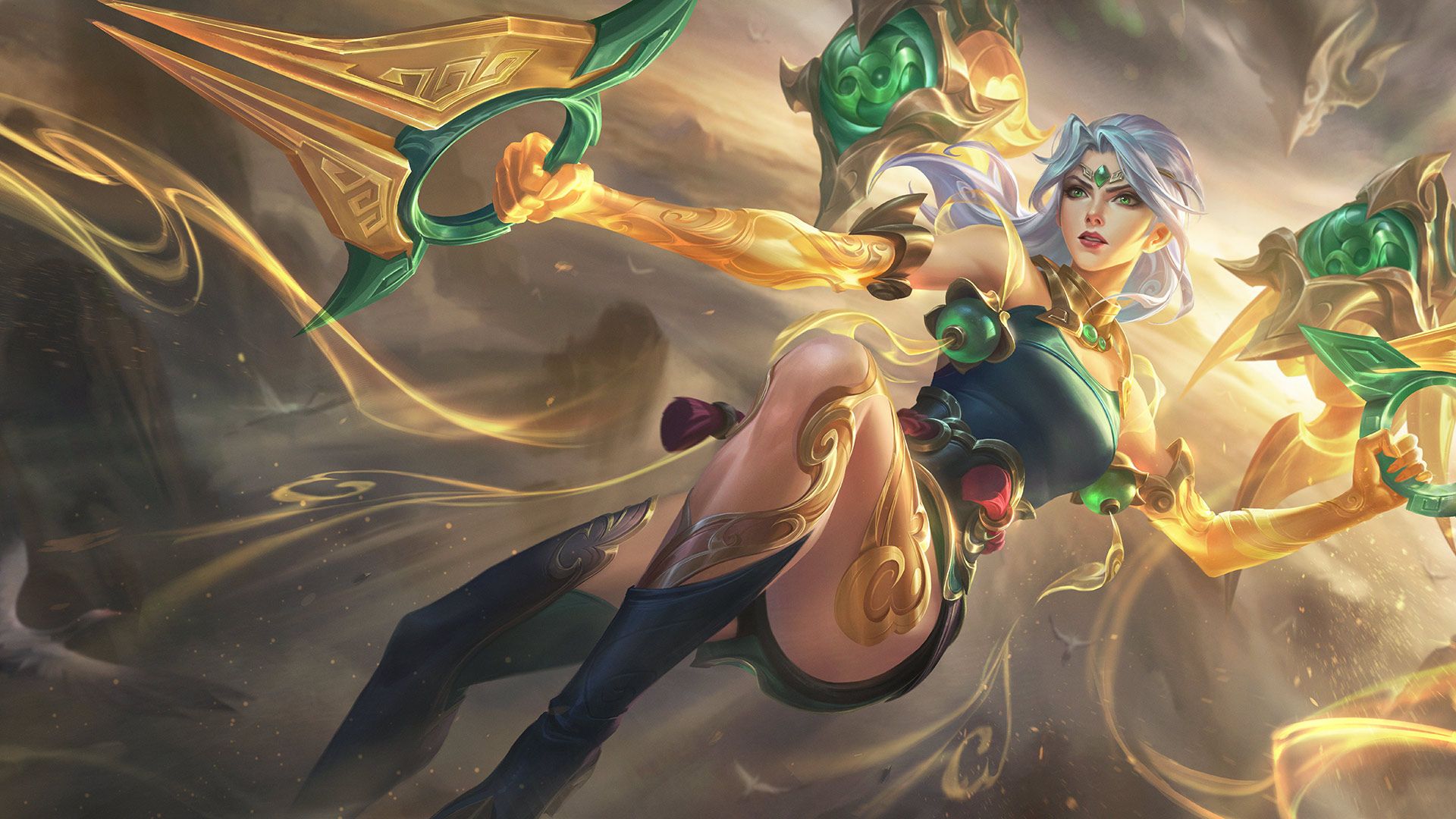
You’ll find Honor of Kings compelling because it blends fast-paced matches, clear strategic depth, and a strong competitive ladder that rewards improvement. If you want a game where individual skill, team coordination, and smart hero choices directly affect your climb, Honor of Kings gives you a reliable, skill-based path to push rank.
Expect tight matchmaking, varied hero roles, and meaningful customization that let you shape playstyles and practice hero mastery. The article will show how core features, multiplayer intensity, and active community and esports scenes combine with practical tips to help you climb the ranks efficiently.
What Makes Honor of Kings Exciting for Push Rank
You get tight, moment-to-moment competition, meaningful hero choices, and a ranking ladder that rewards consistency and adaptation. Each match tests mechanical skill, map awareness, and strategic decision-making in ways that directly affect your rank progression.
Unique Competitive Gameplay
Honor of Kings delivers short, high-impact matches where early objectives and rotations decide outcomes. You’ll face lane pressure, jungle control, and timely teamfights; taking dragons, turrets, and vision at the right moments swings win probability dramatically. Solo plays can snowball a lane, but coordinated rotations amplify lead across the map.
The pace favors decision-making under pressure. Quick resets and frequent skirmishes mean you must read enemy power spikes, item timings, and cooldown windows. That constant interaction rewards players who refine macro choices—when to invade jungle, when to contest objectives, and when to group—so your rank reflects both raw skill and game sense.
Balanced Hero Selection
The roster blends assassins, marksmen, mages, tanks, and supports with clear role identities. You can specialize in a handful of carry or control heroes and still counter-pick effectively. Developers tune core kits and items to keep multiple playstyles viable, so a strong player on a less-popular pick can still win if they exploit matchups and itemization.
Hero balance encourages team composition thinking. You’ll choose based on enemy draft, map state, and win conditions—early-game aggression, split-push, or late-game teamfight. Mastering 3–5 heroes across roles gives you flexibility for solo queue while knowing counters and item paths increases your climb efficiency.
Progressive Ranking System
The rank ladder provides incremental goals: stars, tiers, and seasonal rewards that mark tangible progress. You gain stars for wins, lose stars for defeats, and encounter promotion matches at key thresholds; this structure makes each win feel consequential. Seasonal resets and SSS/grade systems highlight consistency and performance beyond simple wins.
Progression mechanics also discourage random variance from dominating outcomes. Win streaks, derank protection in some tiers, and reward milestones help stable climb for players who focus on improvement. You’ll measure progress through rank, grade, and hero mastery—clear metrics that guide where to refine mechanics or broaden your hero pool.
Core Features That Set Honor of Kings Apart
You get quick, competitive matches with clear objectives, layered map mechanics that reward vision and rotations, and multiple modes that fit solo climbing or coordinated team play.
Fast-Paced Matches
Matches typically last 10–15 minutes, so every decision matters from minute one. Early skirmishes around jungle camps and river control determine tempo; winning a single team fight can open a lane and force objectives like turrets or the major neutral boss.
You must manage gold and experience efficiently—last-hitting minions, securing jungle camps, and rotating for kills accelerates item spikes. The shorter match time increases the value of proactive plays: timely ganks, fast objective calls, and snowballing a lead often decide outcomes before late-game stalls.
- Short timers and rapid respawns keep action continuous.
- Objective windows (turrets, jungle bosses) appear early and swing momentum.
- Match length favors mechanical plays and clear macro decisions.
Strategic Map Design
The standard 5v5 map balances lanes, jungle, and vision points to reward coordinated rotations. River corridors and brush locations create predictable choke points that you can control with wards and hero placement. Contested neutral camps produce experience and gold bursts; losing control costs multiple lanes because it denies resources to your teammates.
Map symmetry ensures side advantages come from play, not map bias, so rotations and timing matter more than spawn positions. Vision mechanics and short teleport-like movement skills make split-second decisions on positioning pay off.
Key map elements:
- Symmetric lanes with distinct jungle routes.
- Neutral bosses that grant team-wide advantages.
- Brush and river zones for ambush and vision play.
Diverse Game Modes
You can choose modes that match your goals: quick casual matches, ranked 5v5, or specialized modes for practice. Ranked mode emphasizes climbing with Bravery-style points and performance-based matchmaking, rewarding consistent wins and role proficiency. Casual and event modes let you test new heroes and item builds without rank pressure.
Arcade-style and limited-time events introduce unique rules—altered cooldowns, modified objective rules, or thematic maps—that sharpen specific skills like map awareness or burst execution. Use these modes to practice hero matchups and experiment with item paths before taking them into ranked play.
Thrilling Multiplayer Experience
You get tight, tactical matches that reward coordination and quick decision-making. Expect intense 5v5 fights, objective-based skirmishes, and moments where one call changes the match.
Real-Time Team Coordination
You rely on synchronized rotations and role execution to win. Honor of Kings matches center on lane control, jungle timing, and coordinated ganks; if your team times the dragon/major objective spawn and executes a reliable flank, you gain map pressure and gold advantages fast.
Use shot-calling for power plays: call for tower dives when the enemy ultimates are down, designate who peels for your carry, and assign lane priorities after a successful team fight. Short, decisive commands prevent wasted rotations and reduce solo plays that lose tempo.
Practice set plays in ranked: establish standard wave-clear timings, who rotates at minute 3–4 for first scuttle, and which hero secures buff control. That predictability raises your win rate under pressure.
Dynamic Communication Tools
Honor of Kings gives you built-in quick pings, preset voice lines, and text chat to convey intent without delaying action. Pings include danger, attack, retreat, assist, and objective markers; use them to mark enemy positions, suggest ambush spots, or signal an imminent tower push.
Voice chat and short macros let you confirm target focus or call for help during fights. Combine voice with pings for clarity: say “focus mage” while pinging the enemy mage’s location.
The game also supports squad pre-game planning: you can set role assignments and lane swaps before match start to avoid confusion. These tools reduce misplays and help you execute coordinated strategies under time pressure.
Hero Mastery and Customization
You develop win conditions by mastering specific heroes and tailoring them visually and mechanically to your playstyle. Deep knowledge of abilities, item builds, and cosmetic choices directly affects your consistency in ranked matches.
Variety of Roles and Playstyles
You can choose from assassins, mages, marksmen, tanks, and supports, each demanding distinct skill priorities and decision-making. Assassins require precise timing and target selection; practice cooldown management and map awareness to secure key picks.
Mages and marksmen focus on positioning and damage combos; refine spell rotation and item timings to maximize burst or sustained DPS.
Tanks and supports shape objective control through crowd control and vision; learn engage ranges, peel mechanics, and when to sacrifice resources for team survival.
Switching between roles improves your adaptability in drafts. Track matchup counters and expand your hero pool to at least two reliable choices per role for flexible draft responses.
Skin Collections and Visual Effects
You can customize heroes with skins that change animations, sound cues, and particle effects, which can aid recognition and confidence in-play. Premium skins often alter ability visuals and hit sparks; test them in practice mode to ensure you still read telegraphed cues correctly.
Cosmetic variants sometimes include unique recall animations or voice lines that improve clarity in team communication. Use skins that you find comfortable—consistent visuals reduce misreads during hectic fights.
Collecting a curated set of skins also signals familiarity to teammates and opponents, which can influence draft perception and psychological edges in ranked matches.
Community and Esports Engagement
Honor of Kings pairs active player networks with a clear competitive ladder and regular pro events, giving you both local support and high-level goals to improve. Community tools, content drops, and tournament pathways directly affect how quickly you learn, find teammates, and climb the ranks.
Vibrant Player Communities
You’ll find active regional communities on Discord, Facebook, and in-game clubs that organize scrims, coaching sessions, and patch-discussion threads. These groups post tiered practice schedules, hero-specific guides, and replay reviews so you can target weaknesses and track progress.
Local events and in-game community challenges push regular meta experimentation. Developers and publishers run seasonal content drops — skins, limited modes, and themed events — that spark new strategies and offer low-pressure environments to test builds before using them in ranked play.
Use community resources to scout teammates with complementary roles, join ranked squads, and schedule consistent practice windows. That structure shortens your learning curve and stabilizes win rate when you focus on role synergy and shot-calling.
Professional Tournaments
Professional circuits like national qualifiers, Honor of Kings Championship events, and international invitations create concrete advancement paths you can follow. Prize pools, broadcast schedules, and regional qualifiers mean you can watch pro VODs, learn itemization trends, and mirror macro decisions used at the highest level.
Organizers often publish patch notes, pro-tier statistics, and hero pick/ban rates after major events. You can use those datasets to adapt your ranked priorities—what to ban, which heroes to master, and when to press for objectives.
Local grassroots tournaments and official World Cup-style competitions also connect amateur players to scouts and semi-pro teams. If you want to push rank with a competitive edge, use pro metas as a disciplined study plan and emulate their timing, vision control, and rotation patterns.
Tips to Climb the Ranks Successfully
Prioritize map control, objective timing, and consistent hero choice to increase winrate. Communicate clearly, focus on waves and buffs, and adjust builds to enemy composition.
Effective Team Strategies
You must start games by securing vision and early buffs (red/blue) with your jungler within the first two minutes. Assign clear roles: one wave-clear laner, one roam/vision support, and a stable jungler who prioritizes ganks that create objective windows (turtle or tower).
Use simple shot-calling: call for tower dives only when enemy cooldowns and sums are known, and ping intended objectives (dragon/tower) 10–20 seconds before committing. Rotate in pairs—don’t force 4v5 fights. If you win a fight, immediately convert kills into neutral objectives or lane priority; avoid chasing long resets when towers remain.
Keep comms concise: short pings, one-line voice calls, or typed timers. Track enemy ultimates and key vision spots; deny enemy jungle and contest buffs on spawn.
Optimal Builds and Itemization
You must adapt item builds to the enemy’s core threats rather than following one fixed build. Start with a core first item that matches your hero’s role (e.g., lifesteal for sustain fighters, penetration for mages/marksmen). Then pick situational items: anti-heal vs heavy sustain, armor vs fed AD, magic resist vs burst mages.
Use the in-game shop hotkeys to switch between aggressive and defensive itemization quickly when the game state changes. Prioritize cooldown reduction or attack speed only when it amplifies your hero’s power spike. Update boots choice based on CC and needed mobility.
Track enemy item progression each time you buy; if an opponent completes a counter item, shift your next purchase to mitigate its effect.
Conclusion
You gain a balanced competitive experience in Honor of Kings through clear role diversity and a fast-paced match structure. Its ranked system rewards consistent skill improvement and strategic teamwork, making each climb meaningful.
You can practice heroes and roles in casual modes before committing to ranked, which helps reduce tilt and improve decision-making. Meta shifts and regular updates keep the game fresh and give you new paths for optimization.
Focus on communication, map awareness, and mastering a small hero pool to raise your win rate. Solo play benefits from disciplined roaming and objective control, while coordinated teams excel by adapting compositions and tempo.
Use the game’s progression and matchmaking to measure growth rather than short-term win streaks. With patience and deliberate practice, your rank progression becomes predictable and skill-driven.