

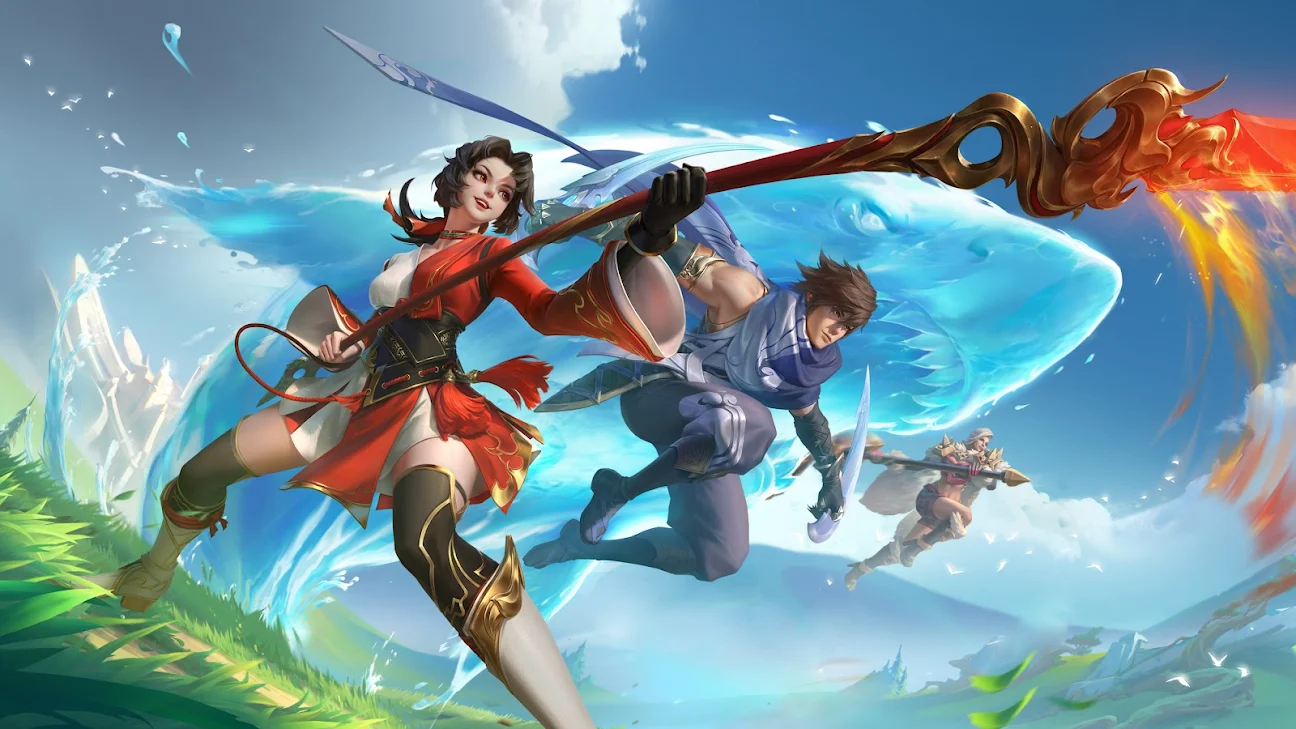
You’ll find Honor of Kings delivers fast, strategic MOBA action with high-end visuals and a competitive scene that keeps matches fresh. If you want a mobile MOBA that balances polished graphics, tight gameplay, and regular competitive updates, Honor of Kings is a top contender worth trying.
In this review you’ll get an overview of core systems, hands-on impressions of controls and performance, how multiplayer and esports ecosystems shape play, and what to expect from monetization and device compatibility. Expect clear comparisons to other mobile MOBAs and practical pros-and-cons to help decide if this game fits your playstyle.
Honor of Kings Overview
This section breaks down what Honor of Kings is, how it evolved, and the gameplay and technical features that define its experience. Expect specifics on match structure, development milestones, and the mechanics that shape competitive play.
What Is Honor of Kings?
Honor of Kings is a 5v5 mobile MOBA where you control a single hero to destroy the enemy base across three lanes. Matches typically last 10–20 minutes and prioritize fast decision-making, objective control, and coordinated team fights.
You choose from a large roster of heroes grouped by roles: assassin, mage, marksman, tank, and support. Each hero has distinct abilities, a single ultimate, and item builds that adapt during a match. The interface simplifies targeting and movement for touchscreens while preserving core MOBA tactics like lane pressure, jungle control, and turret sieging.
Matchmaking aims for fair games with players of similar rank. Ranked modes, casual matches, and seasonal events provide progression and variety. The game emphasizes accessibility without removing depth for competitive players.
History and Development
Honor of Kings launched in China in 2015, developed by Tencent’s TiMi Studio Group, and grew into the world’s highest-earning mobile game through aggressive esports and live-service support. Tencent expanded the title internationally as Honor of Kings International Edition and supported it with regional publishing under Level Infinite.
Developers iterated on hero balance, UI, and monetization across frequent updates. They invested heavily in esports infrastructure, funding tournaments and leagues to foster a pro scene and spectator interest. Localization and regional adjustments accompanied the global push, changing hero names, skins, and in-game events to match local markets.
Technical improvements over time focused on performance optimization for a wide range of Android and iOS devices, plus enhanced graphics and network stability to support competitive play at scale.
Key Features
- Hero Roster: Over 100 heroes with unique kits and role-defined playstyles. New heroes rotate in regularly via patches.
- Match Types: Ranked 5v5, casual matches, AI vs. player modes, and limited-time events that introduce alternate rules or maps.
- Controls & UI: Touch-optimized joystick, skill buttons, quick item purchase, and smart targeting to reduce accidental misplays.
- Progression & Cosmetics: Battle passes, seasonal ranks, skins, and avatars provide non-payway customization; many cosmetics unlock through gameplay.
- Competitive Support: In-game spectator mode, replay tools, and official esports tournaments backed by prize pools and regional leagues.
- Performance: Scalable graphics settings, frame-rate options, and network smoothing to keep gameplay responsive on varied hardware.
You can expect a polished, mobile-first MOBA that balances accessibility with competitive depth and ongoing developer support.
Gameplay Experience
You’ll find fast-paced matches, clear power spikes, and a strong emphasis on coordination. Controls stay responsive on touch devices, and matches typically resolve in 10–15 minutes depending on mode and skill level.
Core Mechanics
Movement uses a virtual joystick while abilities map to four onscreen buttons, letting you kite, dodge, and chain skills precisely. Basic attacks, ability cooldowns, and mana/energy bars are all visible and scale with item purchases and level gains.
Minions spawn periodically along lanes and grant gold/XP when last-hit. Towers protect lanes and become weaker as nearby enemies push; destroying outer towers opens the map and accelerates objective control. Jungle camps provide neutral gold and buffs; securing them shifts lane pressure.
You’ll feel clear power spikes at champion levels 4, 7, and 12 for many heroes. Item timings—first core item, mythic/legendary upgrades—define mid-game tempo and often decide skirmishes.
Game Modes
The main 5v5 ranked mode mirrors standard MOBA lane structure: top, mid, bottom, jungle, and support. Matchmaking balances player MMR to keep games competitive; ranked rewards include seasonal stars and cosmetic unlocks.
Timed casual modes—ARAM-style single-lane battles and limited-time event modes—offer quicker, less strategic matches. Practice and tutorial modes let you test builds and learn cooldowns against bots.
Tournament and esports-ready modes provide spectate tools, replay saving, and custom lobbies for scrims. You can create private matches to practice specific draft strategies or hero combos with friends.
Character Roles
Heroes split into clear roles: Assassin (burst single-target), Marksman (sustained ranged DPS), Mage (AOE and burst magic), Tank (initiate and soak damage), Fighter (sustained skirmisher), and Support (peel, heals, utility). Each role has predictable responsibilities during laning, teamfights, and objective control.
Hero kits combine basic attacks with one or two crowd-control abilities and an ultimate. Role synergy matters: a darting assassin pairs well with a hard-CC tank, while an immobile marksman needs peel from support. Role counters exist—assassins punish squishy mages, while tanks mitigate marksman damage.
You’ll choose builds based on matchups: defensive items versus heavy crowd control, lifesteal against poke, or penetration against high-resist targets. Switching item paths mid-game remains viable when the enemy comp changes.
Strategy and Teamplay
Vision and objective timing define win conditions. You should track respawn timers for buffs and major objectives, rotate as a unit to contest them, and avoid isolated plays that give up gold/XP.
Early game focuses on lane control and securing jungle resources. Mid-game shifts to grouping for towers, small skirmishes, and picking off isolated targets. Late game centers on coordinated engages, target priority, and split-push responses.
Communication tools—pings, quick chat, and pre-made teams—matter more than raw mechanical skill in many matches. You should call objectives, assign responsibilities (who engages, who peels), and adapt draft and itemization to the enemy’s composition.
Stunning Graphics and Visual Design
The game pairs polished character art with vibrant battlefield detail and smooth combat effects. Visual clarity helps you track fights, read cooldowns, and find targets quickly.
Art Style
Honor of Kings uses a high-fidelity, semi-realistic fantasy aesthetic that leans on sharp character silhouettes and saturated color palettes. Heroes feature distinct costumes, clear role signaling (tank, mage, marksman), and readable weapon/ability shapes so you can identify opponents at glance during hectic teamfights. Environments balance decorative detail with functional readability: lane textures, brush areas, and objective markers contrast enough to prevent visual clutter. Skin designs offer alternate palettes and particle tweaks without masking core silhouettes, preserving gameplay readability while letting you express style.
Animations and Effects
Skill animations prioritize telegraphing and impact clarity. You can see windups, cast cues, and area-of-effect telegraphs well before damage lands, which supports skill-based play and positioning. Particle effects scale with device settings: higher presets add motion blur, richer lighting, and layered particles; lower presets keep only necessary cues to maintain frame rate. Hit and death animations include weighty character flinches and camera shake that communicate success or failure. Visual feedback for critical events (ulti uses, turret hits, monster spawns) uses bold colors and sound-tied flashes so you notice them amid chaotic fights.
User Interface
The UI emphasizes quick information with minimal screen real estate intrusion. Ability buttons show cooldown timers, mana/energy bars, and level-up prompts in compact, color-coded layouts that let you make split-second decisions. Minimap contrast and ping markers remain visible at a glance; you can toggle some HUD elements in settings to suit your playstyle. Shop and item tooltips open stacked panels that provide stats and passive descriptions without blocking combat view. Overall, the interface helps you manage builds, cooldowns, and map awareness without forcing constant menu navigation.
Controls and User Experience
You get precise, touch-first controls, a range of interface customization, and a short but deliberate learning curve. The game prioritizes responsiveness and clarity so you can focus on timing, positioning, and team play.
Touch Controls
Touch controls map movement to a virtual joystick and abilities to on-screen buttons placed near your right thumb by default. Movement is smooth with slight input buffering to reduce missed micro-adjustments during fights.
Ability buttons include cooldown timers, mana/energy indicators, and visual cast ranges. You can see animation windows for many skills, which helps you judge skillshot timing and interrupt windows.
Basic attacks support auto-targeting with an optional manual-aim toggle for precision. Auto-attack cancel and ability queueing let you weave attacks and skills efficiently. Latency-sensitive actions like flashes or blink escapes remain responsive on stable connections, but you may notice reduced input fidelity on high-ping networks.
Customization Options
You can reposition virtually all HUD elements: joystick, skill buttons, mini-map, and item quick-use slots. The layout editor shows a transparent overlay with drag-and-drop handles, so you can test placements without entering a match.
Button size and opacity adjustments let you balance visibility with screen real estate on smaller phones. You also get preset layouts tailored for roles like jungler, carry, or support. Each preset saves to a named profile that you can switch before queuing.
Control sensitivity sliders adjust joystick deadzone and camera follow speed. You can enable single-tap skill activation to simplify combos or turn on hold-to-cast for fewer accidental casts. These options help you tailor the interface to your device and playstyle.
Learning Curve
New players find basic mechanics accessible: lane pushing, last-hitting, and ability usage follow clear on-screen prompts. The tutorial covers core systems in a few short matches, but mastering timing, map rotations, and vision control requires more playtime.
Hero complexity scales—some champions have two simple passives while others demand multi-step combos and precise positioning. Expect a noticeable skill gap in ranked matches; you’ll learn fundamentals quickly but need deliberate practice to read team fights and item timings.
Matchmaking places beginners together and ramps difficulty as you win, which helps you practice against comparable opponents. Use the replay and practice modes to rehearse combos and refine mechanical habits without affecting rank.
Multiplayer and Competitive Play
The multiplayer experience centers on tactical 5v5 battles with role balance, objective control, and a clear progression path. Competitive play emphasizes ranking, regional matchmaking quality, and regular events that reward performance and teamwork.
Ranked Matches
Ranked mode uses a tiered ladder from Bronze to Conqueror (or equivalent top tiers), where your wins and individual performance affect MMR and visible rank. Matches primarily enforce role selection and lane assignments to reduce role conflict; abandoning or frequent AFK penalties impact your rank and matchmaking reputation.
You gain season-based rewards—skins, icons, and currency—based on final rank and seasonal points. Promotion and demotion series require consistent wins; win streaks accelerate advancement, while losses and inactivity can drop you a division. Expect roughly 15–30 minute games in most rank matches, with higher-tier queues showing more coordinated play and objective focus.
Matchmaking System
Matchmaking matches you using a hidden MMR that factors in wins, performance, and recent rank changes to keep games competitive. The system attempts role-based matching to balance team composition; however, queue times vary by region and time of day, often longer at peak hours for higher ranks.
Party queues pair your MMR with the highest-skilled member to prevent smurfing advantages. The client shows estimated wait time and an optional strict-role queue to improve match quality. Report and honor systems influence future matches by flagging toxic accounts and rewarding consistent positive play.
Tournaments and Events
The game runs regular in-client events and seasonal tournaments at local and regional levels, offering prize pools, exclusive cosmetics, and ranked boosts. You can join developer-hosted cups, community-organized leagues, or limited-time events that feature special rulesets (e.g., mirror matches, draft-only modes).
Event participation often requires meeting rank or team registration criteria; organizers publish brackets, schedules, and eligibility rules in advance. For aspiring competitors, look for official qualifiers and third-party platforms that list open tournaments and scrim opportunities to build a team and track competitive progress.
Monetization and In-Game Purchases
The game lets you access every hero through play while offering optional purchases for convenience and aesthetics. Payments focus on skins, premium currency, and a seasonal progression track that rewards exclusive cosmetics.
Free-to-Play Elements
You can unlock heroes through gameplay without spending money. The game typically provides a rotation of free heroes, daily and weekly missions that grant currency, and event shops where you trade earned tokens for characters or materials.
Progression systems let you earn experience and basic currency steadily. Match rewards, login bonuses, and milestone events offer a reliable path to acquire essential items. You might wait longer for specific heroes, but you won’t be locked out of core gameplay.
Cosmetic Items
Skins, emotes, and visual effects form the primary cosmetic catalog. Skins range from low-cost recolors to premium legend-tier bundles that include animations, voice lines, and special lobby effects.
Purchases use premium currency bought with real money. Cosmetics do not affect stats or balance. If you value unique visuals or voice packs, you can buy them directly or chase them via limited-time events and themed bundles.
Battle Pass System
The Battle Pass provides a seasonal progression track with free and premium tiers. The free tier gives small amounts of premium currency and low-tier cosmetics, while the premium tier unlocks most exclusive skins and higher-value rewards.
You progress the pass by completing daily and weekly challenges and by earning match XP. Buying the premium pass grants immediate unlocks and faster access to top-tier rewards, but most seasonal content remains cosmetic and does not affect competitive balance.
Community and Esports Scene
Honor of Kings supports a massive player ecosystem, a professional tournament pipeline, and built-in social tools that keep teams and casual players connected. Expect a competitive ladder, regional pro leagues, and multiple ways to form and manage teams within the client.
Player Base
You’ll find tens of millions of active players, with the largest concentration in China where mobile MOBA play is mainstream. The game draws both casual players using quick matchmaking and highly ranked players who queue solo or in coordinated five-player teams.
Matchmaking spans new-player pools to high-tier ranked ladders, so your match experiences vary by time and region. Microtransaction-driven cosmetics and seasonal battle passes keep many players engaged week to week. Community hubs, third-party forums, and streaming channels produce meta discussion and pick/ban analysis you can follow to improve.
Esports Competitions
Honor of Kings runs a clear competitive hierarchy from open qualifiers to the King Pro League (KPL) and international invitational events. If you follow pro play, you’ll see franchised teams, multi-stage seasons, and large prize pools that attract established esports organizations.
Matches often broadcast on major Chinese platforms with production comparable to other top esports. Regional circuits and open-series tournaments create a defined “path to pro,” letting amateur teams compete for slots in higher tiers. You can watch replays and pro VODs to learn role-specific strategies and team compositions.
Social Features
The client includes in-game voice chat, friend lists, guilds, and team matchmaking to help you coordinate. You can form premade groups, set team roles, and use rehearsal modes or private matches for practice.
Guilds and clubs provide persistent social structures where you earn group rewards and organize scrims. Built-in reporting and behavior systems help manage toxic players, while in-game achievements and cosmetic sharing encourage positive social interactions.
Performance and Device Compatibility
Honor of Kings runs smoothly on a wide range of modern phones and scales visuals and framerate to match hardware. You’ll get high-fidelity effects on flagship devices and stable 60 FPS-style gameplay on many mid-range phones when settings are adjusted.
Supported Platforms
Honor of Kings is available for iOS and Android devices worldwide through official stores. On Android, expect compatibility from recent Android 10+ builds on Snapdragon 7-series and above, though many Snapdragon 6-series and MediaTek Dimensity 700-class chips also run the game at medium settings. For iOS, devices from the iPhone 8/SE (2nd gen) and newer will launch the game, with the best visual fidelity on A12/Bionic and later chips.
You can download the International Edition from Google Play and the App Store. Make sure you have at least 3–4 GB free storage for the initial install and game assets, and 4 GB+ RAM for smoother multitasking during matches.
Optimization
The game includes multiple in-app graphics presets (Low, Medium, High, Ultra) and an adaptive frame-rate toggle to balance battery life and smoothness. On high-end devices, Ultra + 60 FPS delivers polished shaders, bloom, and detailed models. On mid-range phones, choose Medium + 30–40 FPS to reduce frame drops during team fights.
Honor of Kings also uses asset streaming and memory management to limit long load times and reduce crashes on constrained devices. You should close background apps, enable the game’s performance mode, and update GPU drivers or system firmware when available to get the best stability during ranked play.
Pros and Cons
Pros
- Stunning graphics and presentation. You’ll notice high-quality character models and effects that stand out on modern phones. Visual polish helps matches feel cinematic without hindering performance on many devices.
- Deep hero roster and variety. You can choose from many heroes across roles, which keeps matches fresh and strategic. Regular updates introduce new abilities and balance tweaks.
- Solid 5v5 MOBA fundamentals. You’ll find familiar lane structures, objectives, and teamplay mechanics that translate well to touch controls. Match pacing suits both quick casual games and longer competitive sessions.
- Generous free-to-play elements. Developers often provide giveaways and events, letting you earn skins and cosmetics without heavy spending.
Cons
- Steep learning curve for newcomers. If you’re new to MOBAs, mastering heroes and map awareness can feel demanding. Early matches may frustrate casual players.
- Network dependency. You need a stable internet connection for smooth gameplay; lag can disrupt team coordination and outcomes.
- Content density and complexity. You might find the amount of heroes, items, and systems overwhelming at first. Occasional balance shifts can change your preferred champions.
- Monetization visibility. While play-to-earn options exist, you’ll still encounter paid cosmetics and battle-pass systems that influence progression speed.
Bold items highlight key takeaways so you can quickly weigh what matters to your playstyle.
Conclusion
You can expect a polished MOBA experience with Honor of Kings, combining high-quality graphics and tight gameplay that suits both casual and competitive players. The controls scale well from newcomers to advanced mechanics, letting you grow without feeling blocked.
The game supports a broad hero roster and regular updates, so your meta choices and strategies stay fresh. Esports support and active community engagement mean you’ll find ongoing challenges and events to join.
Monetization leans toward optional cosmetic purchases, though some skins and items can feel pricey. Stable internet is necessary for smooth matches, so plan for a reliable connection during ranked play.
If you value visual fidelity and responsive combat, Honor of Kings delivers consistently. If you prioritize offline play, minimal microtransactions, or an ultra-simple interface, you may find some friction.
Key points:
- Strong graphics and animation
- Deep hero variety and strategic gameplay
- Regular updates and competitive scene
- Monetization and UI complexity are areas to watch
You should try a few matches to see how the pacing and hero mechanics fit your playstyle. This will quickly show whether the game aligns with your expectations for a modern mobile MOBA.